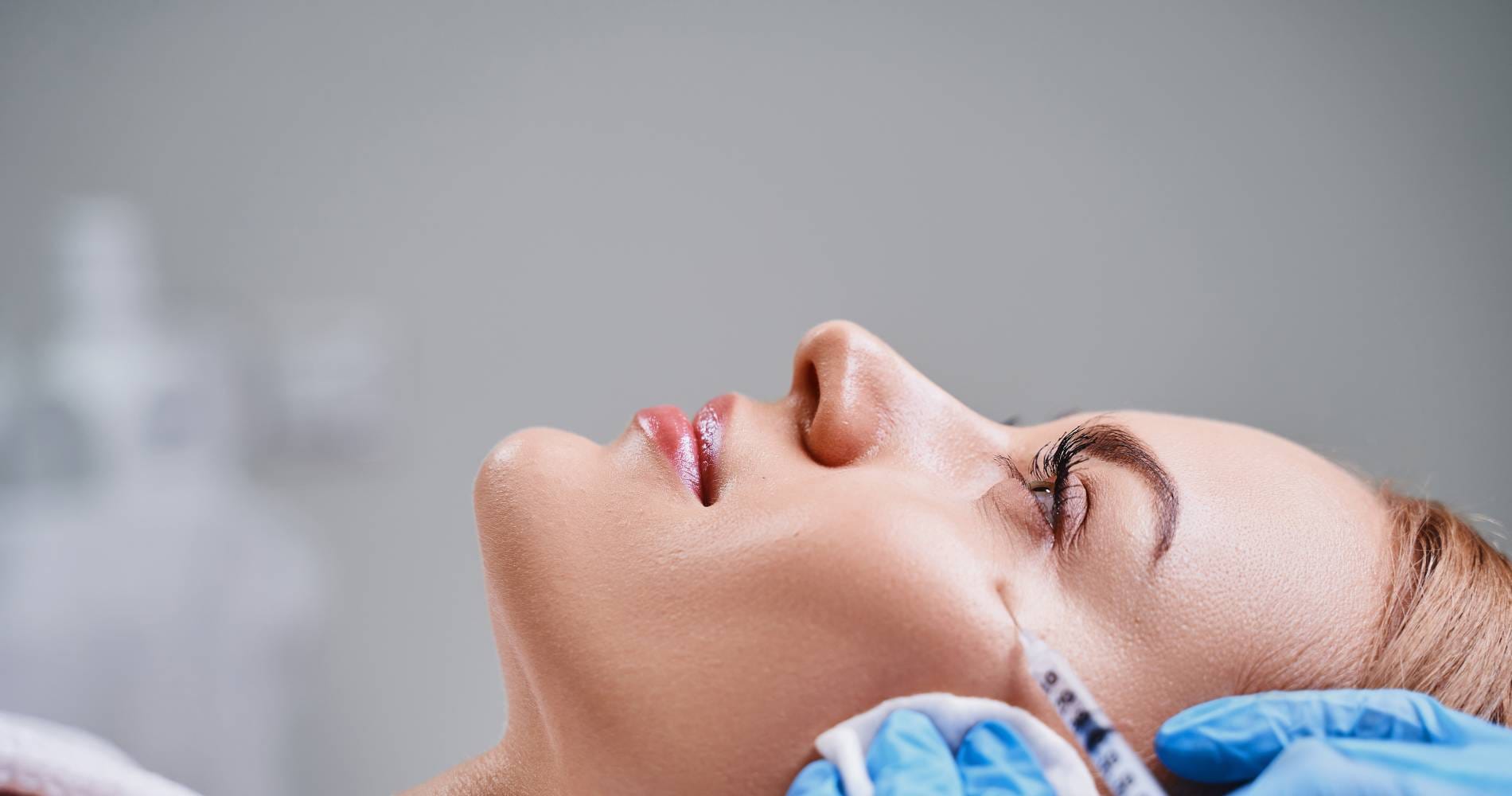

Dermalux LED light therapy is a relaxing, non-invasive skin treatment that uses specific wavelengths of light to support healthier-looking skin. If you have been searching for LED light therapy in Cardiff or Penarth, this guide explains what Dermalux is, the skin concerns it is used for, and what to expect from a course of treatment at Dawn Clinic.
LED light therapy has moved from a niche add-on to one of the most popular skin treatments in the UK, and Dermalux is among the best-known systems available. It is gentle, comfortable and requires no downtime, which makes it a versatile choice both on its own and alongside other skin treatments. Here is everything you need to know.
What is Dermalux LED light therapy?
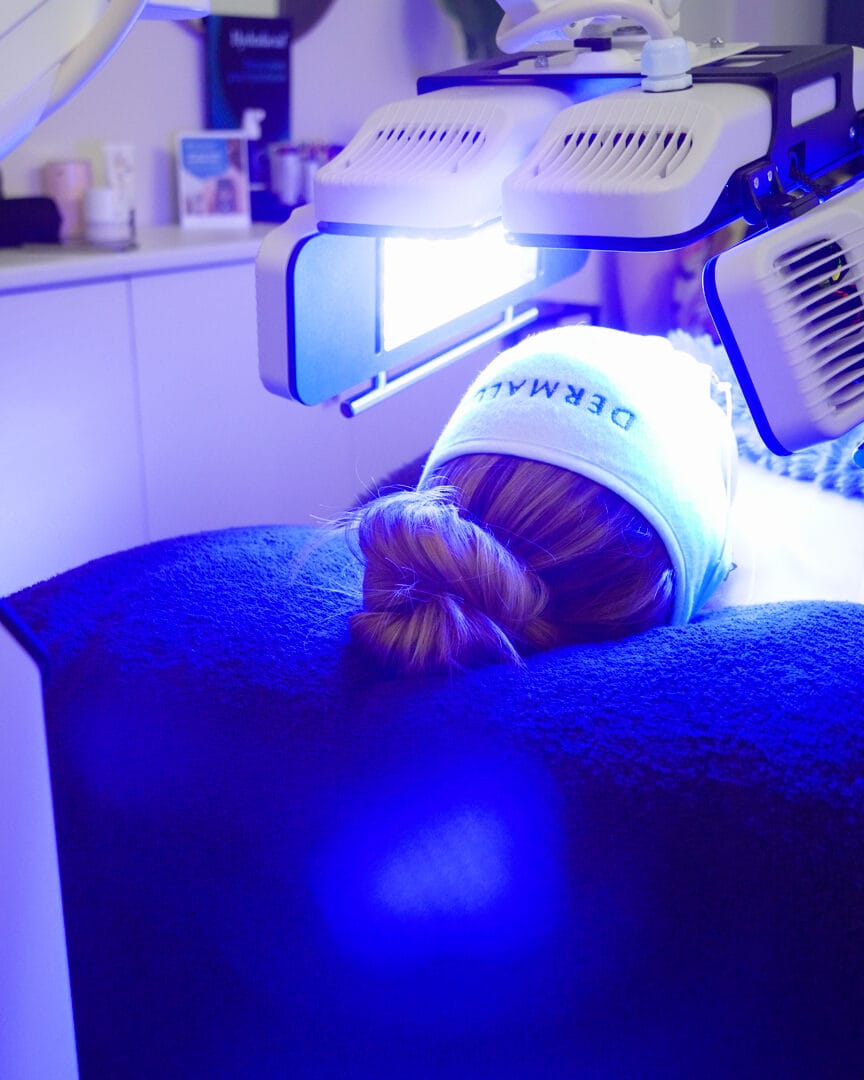
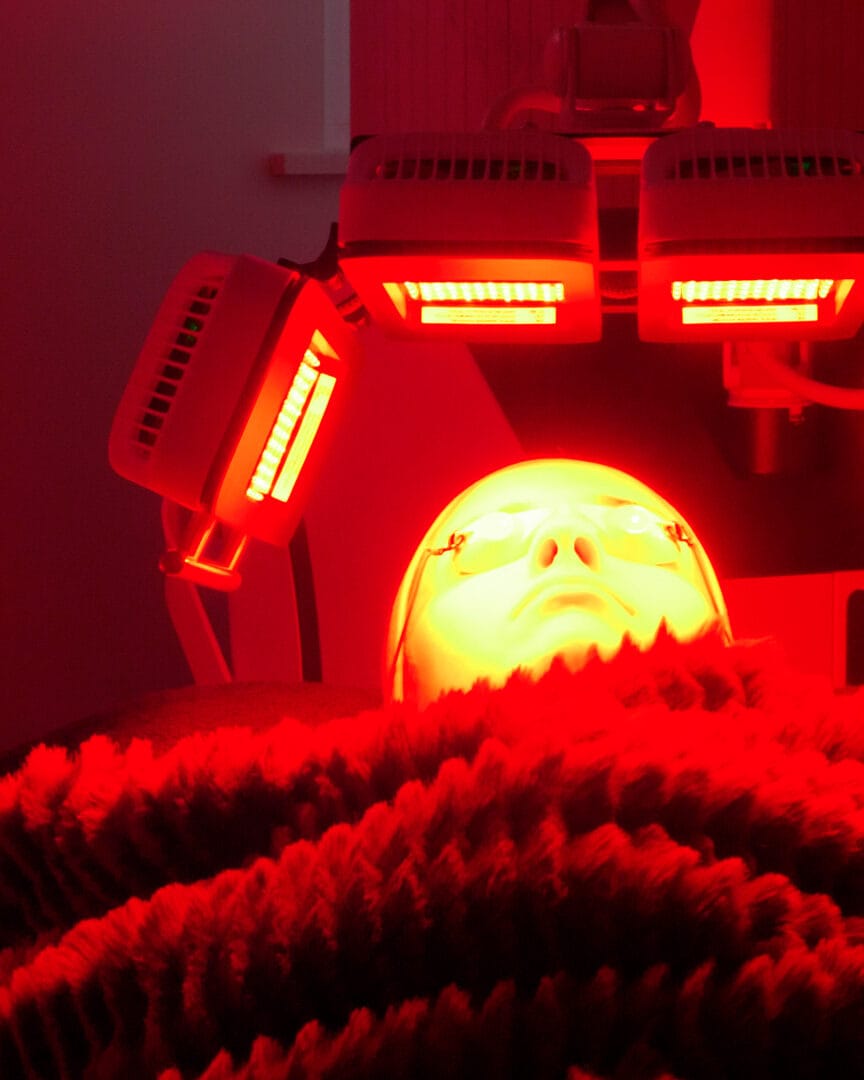
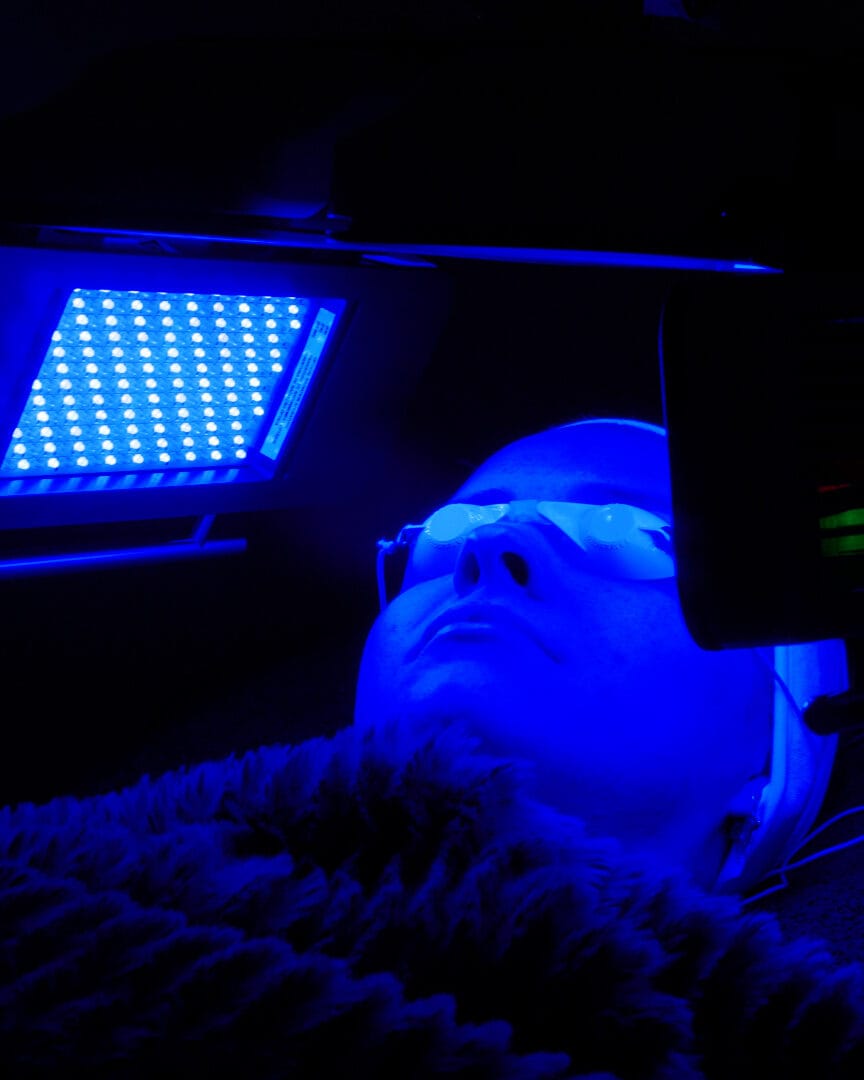
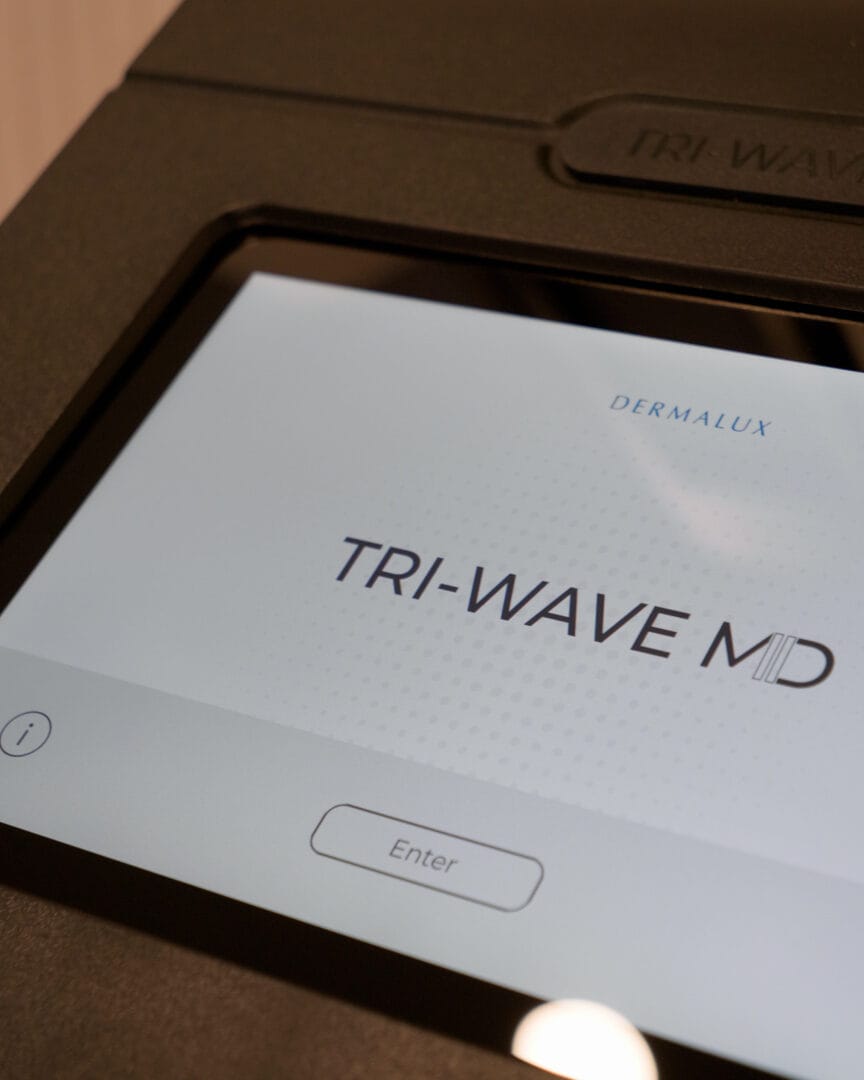
Dermalux LED light therapy is a non-invasive treatment that exposes the skin to specific wavelengths of light to support various skin functions. According to the manufacturer, Dermalux uses three clinically researched wavelengths: blue light (around 415nm), red light (around 633nm) and near-infrared light (around 830nm). The process, known as photobiomodulation, uses light energy to encourage the skin’s own natural processes, without heat, needles or downtime.
Each wavelength is associated with different skin benefits:
- Blue light (around 415nm) — often used for blemish-prone and congested skin, where it is intended to support a clearer-looking complexion.
- Red light (around 633nm) — commonly used to help with the appearance of redness and to support skin that looks tired or dull.
- Near-infrared light (around 830nm) — the deepest-reaching wavelength, frequently used to support overall skin condition and comfort.
The treatment itself is straightforward and comfortable: you relax beneath the Dermalux light panel while it delivers the chosen wavelengths to the skin. A typical session is short — usually around 20 to 30 minutes — and a course of sessions is usually recommended for the best results. There is nothing abrasive about it, and most clients find the experience calming. The specific settings used are tailored to your skin and your goals.

What skin concerns does LED light therapy treat?
Dermalux LED light therapy is used to support a range of common skin concerns, including blemish-prone skin, redness, dullness and the visible signs of ageing. It is valued for being gentle and suitable for most skin types, which is why it is often used both as a standalone treatment and as a finishing step alongside other facials. Dermalux is also widely recognised as a supportive treatment for acne-prone skin, which is why it is a popular option for breakout-prone skin.
Concerns that LED light therapy is commonly used for include:
- Blemish-prone and congested skin — many clients with breakout-prone skin use LED as part of a wider plan to support a clearer-looking complexion.
- Redness and uneven tone — the calming wavelengths are often chosen to help the skin look more even and comfortable.
- Dull, tired-looking skin — LED is frequently used to support a brighter, healthier-looking appearance.
- Fine lines and early ageing — over a course of sessions, LED is used to support plumper, healthier-looking skin.
If breakouts are your main concern, it is worth reading our dedicated guide to chemical peels as well, since LED light therapy frequently forms one part of a broader plan rather than a complete solution on its own. Your therapist will advise on the most suitable combination for your skin.
How is a Dermalux session different from other light treatments?
Dermalux differs from many other light treatments in that it is a low-level light therapy that uses no heat and causes no trauma to the skin — making it one of the gentler options available. Unlike treatments that rely on intense energy to resurface or heat the skin, Dermalux works with the skin’s own natural processes.
This gentleness is part of its appeal:
- No downtime — because the treatment is non-invasive and heat-free, there is no recovery period and you can return to your day straight away.
- Comfortable experience — there is no abrasion, suction or heat, so most clients simply relax during the session.
- Pairs well with other treatments — Dermalux is often added at the end of a facial or other skin treatment to support the skin afterwards.
For more advanced or targeted skin concerns, we may discuss other technologies during your consultation. Treatments such as NeoGen work in a different way and suit different goals, and we will always recommend the approach best matched to your skin rather than steering you towards a single option.
How many sessions do I need to see results?
LED light therapy works best as a course of treatments rather than a single session, with many clients having a series of sessions over a few weeks before moving to periodic maintenance. This is because the benefits build gradually as the skin responds over time, rather than appearing all at once.
The ideal number of sessions depends on your skin, the concern you are addressing and your goals. Some clients use LED as a regular part of their skincare routine, while others have a focused course to support the skin around a specific concern or event. Results vary from person to person, and we will recommend a realistic plan at your consultation rather than promising a fixed outcome.
Is Dermalux LED therapy safe for all skin types?
Dermalux LED light therapy is generally well tolerated and is suitable for most skin types and tones, as it uses no heat and is non-invasive. It is one of the reasons LED is such a widely used treatment — it can usually be adapted to suit sensitive or reactive skin where stronger treatments may not be appropriate.
That said, suitability is always confirmed at consultation. Certain medical conditions, medications and photosensitivity issues can mean the treatment is not appropriate, so a proper assessment beforehand is important. We will ask about your skin and medical history before any treatment to make sure Dermalux is the right and safe choice for you.
Frequently asked questions
Is Dermalux LED light therapy suitable for acne-prone skin?
Many clients with blemish-prone skin use Dermalux LED as part of a wider plan to support a clearer-looking complexion, often using the blue wavelength, which is well established as a supportive option for acne-prone skin. It is gentle and non-invasive, which suits reactive skin, though it is usually combined with other treatments rather than used alone. We will advise on the best approach at your consultation.
Does LED light therapy hurt?
No. Dermalux LED light therapy is painless and uses no heat. You simply relax beneath the light panel during the session, and most clients find the experience calming. There is no abrasion, suction or recovery time involved.
How long does a Dermalux session take?
A typical session is short — usually around 20 to 30 minutes — and requires no downtime, so many clients fit them around their day. The exact length depends on the treatment plan and whether LED is being used on its own or alongside another treatment, which we will confirm at your consultation.
Can I have Dermalux alongside other skin treatments?
Yes. Dermalux is frequently added at the end of other facials and skin treatments to support the skin afterwards. Because it is gentle and heat-free, it pairs well with many other treatments. We will tailor the combination to your skin and goals.
Dermalux LED light therapy is a cosmetic skin treatment. Certain medical conditions, medications and photosensitivity can affect suitability — this is confirmed at consultation. Results vary from person to person.
Book a Dermalux session in Penarth
Dawn Clinic is based in Penarth, a short distance from Cardiff and easily reached from across the Vale of Glamorgan and South Wales. If you are interested in Dermalux LED light therapy, the first step is a consultation where we assess your skin, explain what the treatment can support and recommend a plan tailored to you.
Whether you are looking for a gentle standalone treatment or a supportive step alongside another facial, we will give you honest, informed advice so you can decide what is right for your skin. Contact Dawn Clinic to book a Dermalux LED light therapy session in Penarth.
Written and reviewed by Dawn Richardson RGN, V300 — Independent Nurse Prescriber and founder of Dawn Clinic, Penarth.
Dawn Richardson is a Registered General Nurse and Independent Nurse Prescriber with over 35 years of nursing experience, including NHS hospital and community care. For the past 18 years she has specialised in aesthetic medicine and advanced skin treatments, and is one of the most experienced independent nurse prescribers in South Wales.