Book

News & Offers

From Dawn Clinic, Skin & Hair Health Clinic In Cardiff

Book Appointment
"Client
News

Dermalux LED Light Therapy in Penarth: What It Is and What It Can Help

Dermalux LED light therapy is a relaxing, non-invasive skin treatment that uses specific wavelengths of light to support healthier-looking skin. If you have been searching for LED light therapy in Cardiff or Penarth, this guide explains what Dermalux is, the skin concerns it is used for, and what to expect from a course of treatment at Dawn Clinic.

LED light therapy has moved from a niche add-on to one of the most popular skin treatments in the UK, and Dermalux is among the best-known systems available. It is gentle, comfortable and requires no downtime, which makes it a versatile choice both on its own and alongside other skin treatments. Here is everything you need to know.

What is Dermalux LED light therapy?

Dermalux LED light therapy is a non-invasive treatment that exposes the skin to specific wavelengths of light to support various skin functions. According to the manufacturer, Dermalux uses three clinically researched wavelengths: blue light (around 415nm), red light (around 633nm) and near-infrared light (around 830nm). The process, known as photobiomodulation, uses light energy to encourage the skin’s own natural processes, without heat, needles or downtime.

Each wavelength is associated with different skin benefits:

  • Blue light (around 415nm) — often used for blemish-prone and congested skin, where it is intended to support a clearer-looking complexion.
  • Red light (around 633nm) — commonly used to help with the appearance of redness and to support skin that looks tired or dull.
  • Near-infrared light (around 830nm) — the deepest-reaching wavelength, frequently used to support overall skin condition and comfort.

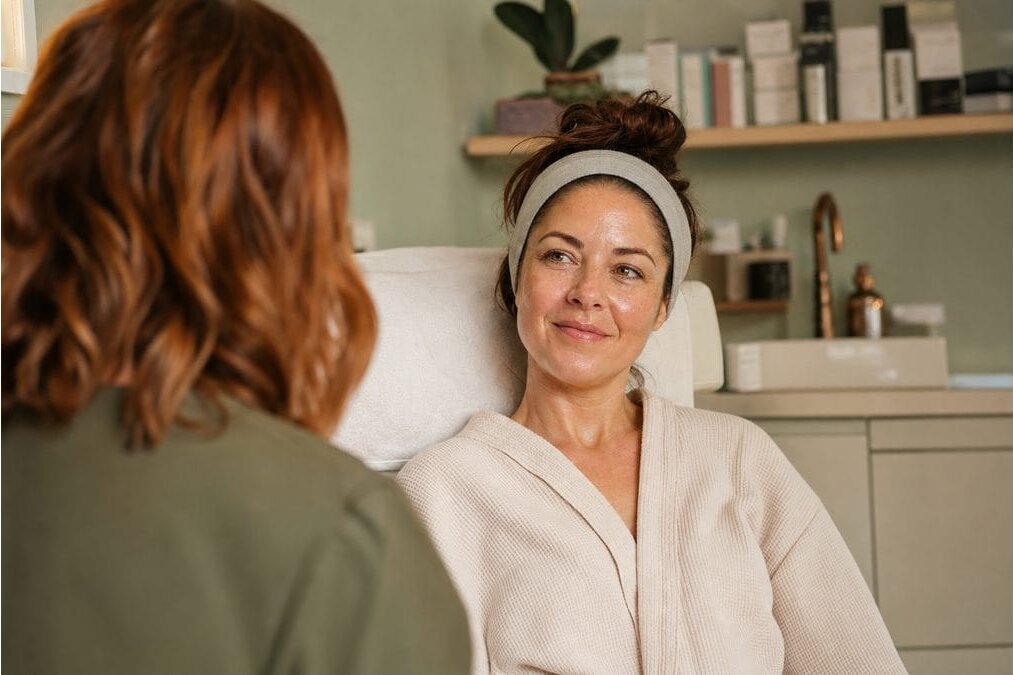
The treatment itself is straightforward and comfortable: you relax beneath the Dermalux light panel while it delivers the chosen wavelengths to the skin. A typical session is short — usually around 20 to 30 minutes — and a course of sessions is usually recommended for the best results. There is nothing abrasive about it, and most clients find the experience calming. The specific settings used are tailored to your skin and your goals.

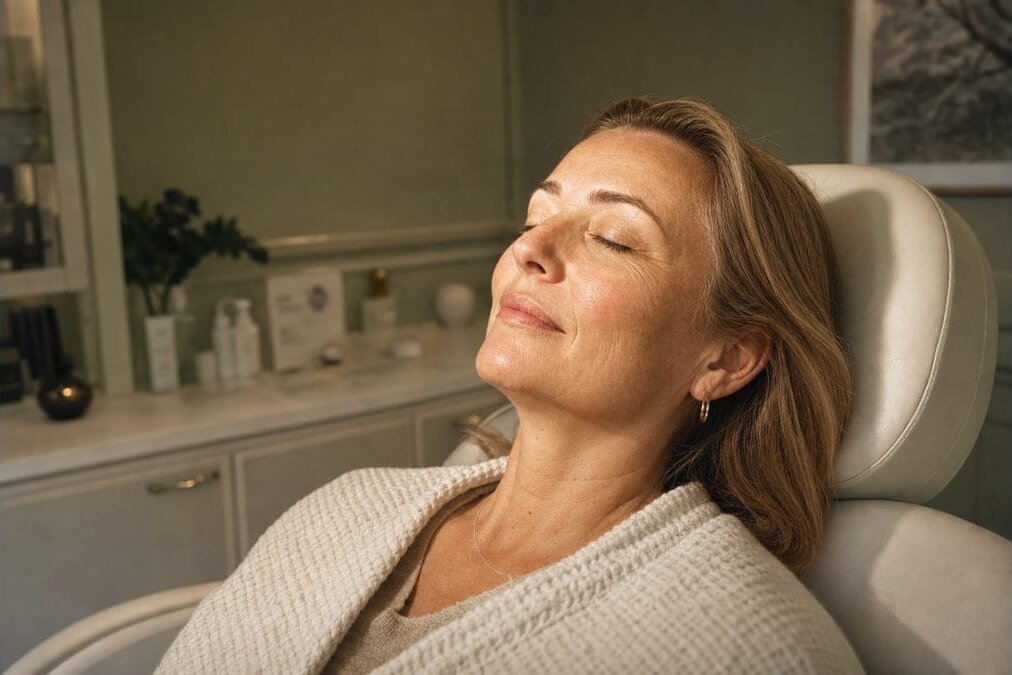
Dermalux LED treatment at Dawn Clinic, Penarth

What skin concerns does LED light therapy treat?

Dermalux LED light therapy is used to support a range of common skin concerns, including blemish-prone skin, redness, dullness and the visible signs of ageing. It is valued for being gentle and suitable for most skin types, which is why it is often used both as a standalone treatment and as a finishing step alongside other facials. Dermalux is also widely recognised as a supportive treatment for acne-prone skin, which is why it is a popular option for breakout-prone skin.

Concerns that LED light therapy is commonly used for include:

  • Blemish-prone and congested skin — many clients with breakout-prone skin use LED as part of a wider plan to support a clearer-looking complexion.
  • Redness and uneven tone — the calming wavelengths are often chosen to help the skin look more even and comfortable.
  • Dull, tired-looking skin — LED is frequently used to support a brighter, healthier-looking appearance.
  • Fine lines and early ageing — over a course of sessions, LED is used to support plumper, healthier-looking skin.

If breakouts are your main concern, it is worth reading our dedicated guide to chemical peels as well, since LED light therapy frequently forms one part of a broader plan rather than a complete solution on its own. Your therapist will advise on the most suitable combination for your skin.

How is a Dermalux session different from other light treatments?

Dermalux differs from many other light treatments in that it is a low-level light therapy that uses no heat and causes no trauma to the skin — making it one of the gentler options available. Unlike treatments that rely on intense energy to resurface or heat the skin, Dermalux works with the skin’s own natural processes.

This gentleness is part of its appeal:

  • No downtime — because the treatment is non-invasive and heat-free, there is no recovery period and you can return to your day straight away.
  • Comfortable experience — there is no abrasion, suction or heat, so most clients simply relax during the session.
  • Pairs well with other treatments — Dermalux is often added at the end of a facial or other skin treatment to support the skin afterwards.

For more advanced or targeted skin concerns, we may discuss other technologies during your consultation. Treatments such as NeoGen work in a different way and suit different goals, and we will always recommend the approach best matched to your skin rather than steering you towards a single option.

How many sessions do I need to see results?

LED light therapy works best as a course of treatments rather than a single session, with many clients having a series of sessions over a few weeks before moving to periodic maintenance. This is because the benefits build gradually as the skin responds over time, rather than appearing all at once.

The ideal number of sessions depends on your skin, the concern you are addressing and your goals. Some clients use LED as a regular part of their skincare routine, while others have a focused course to support the skin around a specific concern or event. Results vary from person to person, and we will recommend a realistic plan at your consultation rather than promising a fixed outcome.

Is Dermalux LED therapy safe for all skin types?

Dermalux LED light therapy is generally well tolerated and is suitable for most skin types and tones, as it uses no heat and is non-invasive. It is one of the reasons LED is such a widely used treatment — it can usually be adapted to suit sensitive or reactive skin where stronger treatments may not be appropriate.

That said, suitability is always confirmed at consultation. Certain medical conditions, medications and photosensitivity issues can mean the treatment is not appropriate, so a proper assessment beforehand is important. We will ask about your skin and medical history before any treatment to make sure Dermalux is the right and safe choice for you.

Frequently asked questions

Is Dermalux LED light therapy suitable for acne-prone skin?

Many clients with blemish-prone skin use Dermalux LED as part of a wider plan to support a clearer-looking complexion, often using the blue wavelength, which is well established as a supportive option for acne-prone skin. It is gentle and non-invasive, which suits reactive skin, though it is usually combined with other treatments rather than used alone. We will advise on the best approach at your consultation.

Does LED light therapy hurt?

No. Dermalux LED light therapy is painless and uses no heat. You simply relax beneath the light panel during the session, and most clients find the experience calming. There is no abrasion, suction or recovery time involved.

How long does a Dermalux session take?

A typical session is short — usually around 20 to 30 minutes — and requires no downtime, so many clients fit them around their day. The exact length depends on the treatment plan and whether LED is being used on its own or alongside another treatment, which we will confirm at your consultation.

Can I have Dermalux alongside other skin treatments?

Yes. Dermalux is frequently added at the end of other facials and skin treatments to support the skin afterwards. Because it is gentle and heat-free, it pairs well with many other treatments. We will tailor the combination to your skin and goals.

Dermalux LED light therapy is a cosmetic skin treatment. Certain medical conditions, medications and photosensitivity can affect suitability — this is confirmed at consultation. Results vary from person to person.

Book a Dermalux session in Penarth

Dawn Clinic is based in Penarth, a short distance from Cardiff and easily reached from across the Vale of Glamorgan and South Wales. If you are interested in Dermalux LED light therapy, the first step is a consultation where we assess your skin, explain what the treatment can support and recommend a plan tailored to you.

Whether you are looking for a gentle standalone treatment or a supportive step alongside another facial, we will give you honest, informed advice so you can decide what is right for your skin. Contact Dawn Clinic to book a Dermalux LED light therapy session in Penarth.

Written and reviewed by Dawn Richardson RGN, V300 — Independent Nurse Prescriber and founder of Dawn Clinic, Penarth.

Dawn Richardson is a Registered General Nurse and Independent Nurse Prescriber with over 35 years of nursing experience, including NHS hospital and community care. For the past 18 years she has specialised in aesthetic medicine and advanced skin treatments, and is one of the most experienced independent nurse prescribers in South Wales.

"EMS
News

EMS Body Sculpting in Penarth: How the Opatra Genesis Sculpt Tones and Defines

EMS body sculpting is a non-surgical treatment that uses electromagnetic energy to stimulate deep muscle contractions, helping to tone and define the body without surgery or downtime. If you have been searching for body sculpting in Cardiff or Penarth, this guide explains how EMS works, which areas it can target and what to realistically expect from a course of treatment at Dawn Clinic.

Many people reach a point where diet and exercise alone are not delivering the definition they want in stubborn areas. Non-surgical body contouring has grown rapidly in popularity as a result, and EMS — short for electromagnetic muscle stimulation — is one of the most talked-about options. At Dawn Clinic, EMS body sculpting is delivered using the Opatra Genesis Sculpt. Below, we explain what it is, how it differs from other treatments, and who tends to benefit most.

What is EMS body sculpting and how does it work?

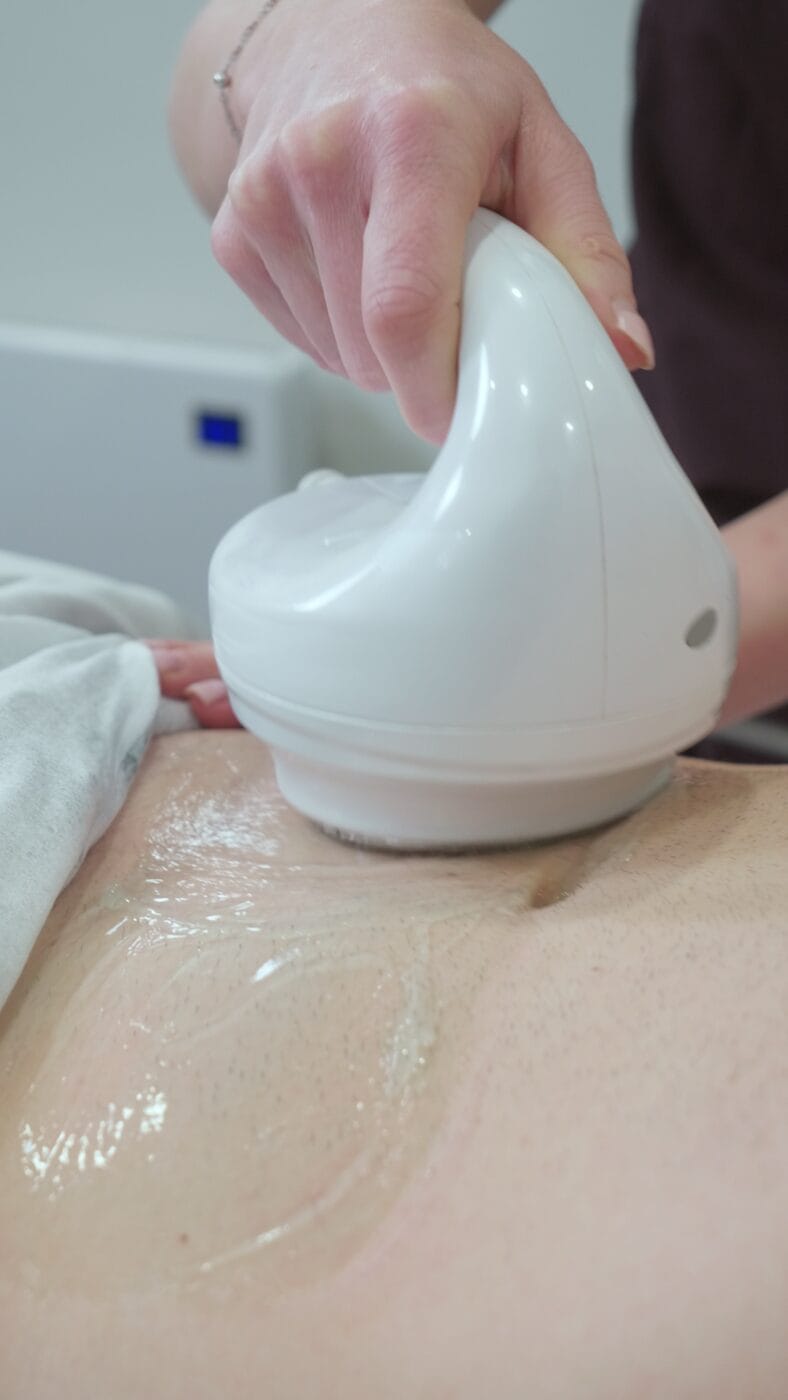
EMS body sculpting uses focused electromagnetic energy to trigger powerful, involuntary muscle contractions in the treated area — far more intense than you could achieve through exercise alone. The Opatra Genesis Sculpt is an electromagnetic muscle-stimulation body-sculpting device, and these repeated contractions work the muscle, which over a course of sessions may help to strengthen and define the area being treated.

In practical terms, the treatment works in a few key ways:

  • Deep muscle stimulation — the applicator delivers electromagnetic energy that prompts a high number of muscle contractions during a single session, engaging the muscle more intensely than a typical workout.
  • Muscle conditioning — as with any form of resistance work, repeated contractions over a course of treatments are intended to help tone and define the muscle.
  • Non-invasive delivery — the energy is applied through an applicator resting on the skin, so there are no needles, no incisions and no recovery period.

Most clients describe the sensation as an unusual but tolerable pulling or tightening as the muscle contracts, followed by a feeling similar to having exercised once the session ends. Individual results vary depending on the area, your starting point and how the treatment fits alongside your wider lifestyle.

EMS body sculpting treatment at Dawn Clinic, Penarth

What’s the difference between EMS and cryolipolysis?

EMS and cryolipolysis work in completely different ways. EMS body sculpting with the Opatra Genesis Sculpt uses electromagnetic energy to stimulate and condition the muscles, focusing on tone and definition. Cryolipolysis, by contrast, uses controlled cooling to target areas of stubborn fat. One works on muscle; the other works on fat — and for some people, they can be complementary. The table below sets out the key differences.

 EMS body sculpting (Opatra Genesis Sculpt)Cryolipolysis (3D Lipo Ultimate Pro)
How it worksElectromagnetic energy triggers intense muscle contractions to build and condition muscleControlled cooling freezes fat cells (cooled to around −5 to −6°C) so the body can gradually clear them; studies suggest 20–40% of fat cells in the treated area may be affected
TargetsMuscle — tone and definitionFat — stubborn pockets that resist diet and exercise
Best forThose close to their target shape who want a firmer, more defined areaThose wanting to reduce a localised pocket of stubborn fat
Sessions / notesUsually a course over a few weeks; not a weight-loss treatmentOften a small number of sessions per area; results build gradually over weeks. Efficacy varies from person to person

If your goal is a combination of reducing a stubborn area and improving definition, a consultation is the best way to work out the right approach. We can advise whether EMS, cryolipolysis or a combination suits your goals, and set honest expectations about what each can achieve.

Which areas of the body can EMS target?

EMS body sculpting is most commonly used on the abdomen and buttocks, where muscle toning makes a visible difference, but it can also be applied to areas such as the arms, thighs and calves. The suitability of each area is assessed individually, as results depend on your starting muscle condition and overall goals.

Areas clients commonly ask about include:

  • Abdomen — a popular choice for those wanting to work towards a flatter, more defined core.
  • Buttocks — used to help lift and tone without surgery.
  • Arms — targeting the upper arms for added definition.
  • Thighs and calves — for clients focused on lower-body toning.

Because everyone’s body and goals differ, the right treatment areas are agreed during your consultation rather than assumed in advance.

How many EMS sessions do I need?

Most clients have a course of several EMS sessions spaced over a few weeks, as the conditioning effect builds gradually with repetition — much like a structured exercise programme. A single session is unlikely to deliver a lasting change, which is why EMS is almost always recommended as a course rather than a one-off.

The exact number depends on the area being treated, your starting point and your goals. After the initial course, some clients choose periodic maintenance sessions to help sustain their results alongside a healthy, active lifestyle. We will recommend a realistic plan at your consultation and review your progress as you go — results are never guaranteed and vary from person to person.

Who is a good candidate for EMS body sculpting?

EMS body sculpting tends to suit people who are already reasonably fit and close to their target shape, but who want to improve tone and definition in specific areas that have proven resistant to exercise. It is not a weight-loss treatment, and it works best as a complement to a healthy lifestyle rather than a replacement for one.

You may be a good candidate if you:

  • Are looking to define and tone a specific area rather than lose significant weight.
  • Maintain a generally healthy diet and activity level.
  • Want a non-surgical option with no downtime.
  • Have realistic expectations about gradual, course-based results.

Suitability is always confirmed during a consultation. Certain medical conditions and implants can mean the treatment is not appropriate, so a proper assessment beforehand is essential — both for safety and to make sure the treatment is likely to deliver what you are hoping for. Men as well as women choose EMS for body definition, and our treatments for men cover the options available.

EMS body sculpting in Penarth and Cardiff — book a consultation

Dawn Clinic is based in Penarth, a short distance from Cardiff and easily reached from across the Vale of Glamorgan and South Wales. If you are considering non-surgical body contouring, the first step is a consultation where we assess your goals, explain what EMS can and cannot achieve, and recommend a plan tailored to you.

There is no obligation to book treatment on the day — the consultation is about giving you honest, informed advice so you can decide what is right for you. Contact Dawn Clinic to book a body contouring consultation in Penarth.

Frequently asked questions

Is EMS body sculpting painful?

Most clients find EMS tolerable rather than painful. The muscle contractions feel intense and unusual at first, but the strength is adjusted to your comfort, and many people relax into the sensation. You can expect to feel as though you have exercised afterwards.

Is EMS body sculpting a weight-loss treatment?

No. EMS is a muscle-conditioning treatment designed to tone and define, not a weight-loss solution. It works best for people already close to their target shape who want improved definition in specific areas, and it complements a healthy diet and exercise rather than replacing them.

How soon will I see results from EMS?

Results build gradually over a course of sessions and in the weeks that follow, as the muscle conditioning takes effect. The timeframe varies from person to person, and we will give you a realistic idea of what to expect for your goals during your consultation.

Can EMS be combined with other body treatments?

Yes. EMS is often combined with treatments such as cryolipolysis, which targets stubborn fat rather than muscle. The right combination depends on your goals, and we will advise on this at your consultation.

EMS body sculpting is a non-surgical cosmetic treatment, not a weight-loss treatment. It is not suitable for everyone — certain medical conditions, implants and pregnancy may mean it is not appropriate. Suitability is confirmed at consultation. Results vary and are not guaranteed.

Ready to work towards a more defined shape? Contact Dawn Clinic in Penarth to book your EMS body sculpting consultation — and let our team build a plan around your goals.

Written and reviewed by Dawn Richardson RGN, V300 — Independent Nurse Prescriber and founder of Dawn Clinic, Penarth.

Dawn Richardson is a Registered General Nurse and Independent Nurse Prescriber with over 35 years of nursing experience, including NHS hospital and community care. For the past 18 years she has specialised in aesthetic medicine and advanced skin treatments, and is one of the most experienced independent nurse prescribers in South Wales.

"Skin
News

Adult Acne Treatment in Penarth: What Causes It and How a Skin Clinic Can Help

Adult acne is far more common than most people realise, and it rarely responds to the same products that worked in our teenage years. If over-the-counter creams and washes have not delivered results, a professional skin clinic can offer treatments designed to target the factors that contribute to congested, breakout-prone skin. This guide explains what causes adult acne and how a skin clinic in Penarth can help.

Acne can affect confidence at any age, and persistent breakouts are frustrating when you feel you have tried everything. The good news is that clinical skin treatments have moved on considerably, and a tailored plan often achieves what shop-bought products cannot. Here is what you need to know.

What is adult acne and why does it keep coming back?

Adult acne is the appearance of spots, blackheads and inflamed breakouts in people aged 25 and over. It develops when pores become blocked with excess oil (sebum) and dead skin cells, creating an environment where bacteria can thrive — which is why it often recurs even after a blemish clears. The NHS notes that acne is very common, particularly in teenagers and young adults, but it can continue into or begin in adulthood too.

Several factors can contribute to adult acne, and frequently it is a combination rather than a single cause:

  • Hormonal changes — fluctuations linked to the monthly cycle, stress or other hormonal shifts can increase oil production.
  • Excess sebum — overactive oil glands leave the skin more prone to congestion.
  • Build-up of dead skin cells — when these are not shed properly, they block the pores.
  • Bacteria — naturally present on the skin, but problematic when trapped inside blocked pores.
  • Lifestyle and skincare habits — certain products, diet patterns and stress levels can all play a role.

Because adult acne usually has more than one driver, treating it effectively often means addressing several of these factors at once — which is where a professional assessment makes a real difference.

Acne treatment at Dawn Clinic, Penarth

What treatments do skin clinics offer for acne?

Dawn Richardson treating a client's blemish-prone skin at Dawn Clinic

Skin clinics offer a range of professional treatments for acne, including chemical peels, deep-cleansing facials, LED light therapy and other exfoliation treatments. The aim is to unblock pores, reduce inflammation, manage oil and improve the overall health of the skin — usually as part of a tailored plan rather than a single treatment.

Common clinic-based options include:

  • Chemical peels — a chemical peel uses controlled acids to exfoliate the skin, helping to clear blocked pores and improve the appearance of acne and acne marks.
  • HydraFacial — a HydraFacial deep-cleanses and gently extracts impurities from the pores while hydrating the skin, which many clients with congested skin find helpful.
  • LED light therapyDermalux LED light therapy uses specific wavelengths of light and is widely recognised as a supportive treatment for acne-prone and breakout-prone skin.
  • Deep-cleansing exfoliation — gentle exfoliation treatments help remove the build-up of dead skin cells that can block pores, though suitability depends on the type and severity of your acne.

A consultation is the best way to work out which combination is right for you, as the most effective plan depends on your skin type, the severity of the acne and what has — and has not — worked for you before.

Skin clinic or dermatologist — who should I see for acne?

It is a common question, and the honest answer depends on the severity of your acne. A skin clinic is well placed to support skin health and manage the appearance of mild to moderate breakouts through professional treatments and a tailored skincare plan. For more severe, painful or scarring acne, or anything that may need prescription medication, your GP or a dermatologist is the right first port of call.

In practice, the two often work together: a GP or dermatologist can address the medical side, while a skin clinic supports the appearance and condition of the skin alongside any medical treatment. During your consultation at Dawn Clinic we will be honest about whether clinic-based treatments are the right route for you, or whether you would benefit from speaking to a medical professional first.

Is a HydraFacial good for acne?

A HydraFacial can be a useful treatment for acne-prone skin because it deep-cleanses and gently extracts impurities from the pores without harsh scrubbing. Many clients with congested or oily skin find it helps reduce the build-up that leads to breakouts, particularly when it forms part of a wider skin plan.

That said, a HydraFacial is usually best viewed as one element of an acne strategy rather than a complete solution on its own. For inflamed or more severe acne, it may be combined with other treatments, or your practitioner may recommend a different starting point. If you would like to understand the treatment in more depth, our full HydraFacial guide covers how it works and what to expect.

What results can I expect from professional acne treatment?

Dawn Richardson, skin specialist and founder of Dawn Clinic

Many clients see a gradual improvement in their skin over a course of professional treatments, with clearer pores, reduced congestion and a more even complexion. Results build over time rather than appearing overnight, and consistency — both in clinic and with home skincare — tends to make the biggest difference.

It is important to set realistic expectations. Acne is a complex condition, and no treatment can guarantee a permanent result, since hormonal and lifestyle factors continue to play a part. What a tailored clinical plan can offer is a structured, considered approach to managing the appearance of breakouts and improving the look and feel of your skin. During your consultation, we will be honest about what is achievable for your particular skin and how long it is likely to take.

If your acne is severe, painful or scarring, we may also suggest you speak to your GP or a dermatologist, as some cases benefit from medical input alongside skin treatments.

How do I book an acne consultation in Penarth?

Booking an acne consultation at Dawn Clinic is straightforward — simply get in touch through our contact page or online booking system and we will arrange a time to assess your skin. The consultation is the foundation of any effective acne plan, because it lets us understand your skin, your history and your goals before recommending any treatment.

Dawn Clinic is based in Penarth, a short distance from Cardiff and serving clients across the Vale of Glamorgan and South Wales. Rather than offering a generic package, we build a plan around your skin — which is the approach most likely to deliver lasting improvement.

Frequently asked questions

Can adults get acne even if they never had it as a teenager?

Yes. Adult-onset acne can appear for the first time in your twenties, thirties or later, often linked to hormonal changes, stress or other factors. It is very common, and it does not mean you have done anything wrong with your skincare.

How long does acne treatment take to work?

This varies from person to person. Many clients notice gradual improvements over a course of several weeks to a few months, as results build with consistent treatment and good home care. We will give you a realistic timeframe for your skin during your consultation.

Are professional acne treatments suitable for sensitive skin?

Many clinic treatments can be adapted for sensitive skin, with gentler options and adjustable settings. This is exactly why an initial assessment matters — it allows us to choose treatments that suit your skin’s tolerance rather than applying a one-size-fits-all approach.

Will I need to keep having treatments?

Acne is often an ongoing condition rather than something that is cured once, so many clients benefit from periodic maintenance treatments alongside a good skincare routine. The long-term plan is something we discuss with you based on how your skin responds.

The treatments described support the appearance and condition of the skin and are not a medical treatment for acne. If your acne is severe, painful or scarring, please consult your GP or a dermatologist.

Book a skin consultation at Dawn Clinic

If adult acne is affecting your confidence and shop-bought products have not helped, a tailored plan from a professional skin clinic could make the difference. Book a skin consultation at Dawn Clinic in Penarth and we will assess your skin and talk through the options. We welcome clients from Penarth, Cardiff and across the Vale of Glamorgan.

Written and reviewed by Dawn Richardson RGN, V300 — Independent Nurse Prescriber and founder of Dawn Clinic, Penarth.

Dawn Richardson is a Registered General Nurse and Independent Nurse Prescriber with over 35 years of nursing experience, including NHS hospital and community care. For the past 18 years she has specialised in aesthetic medicine and advanced skin treatments, and is one of the most experienced independent nurse prescribers in South Wales.

Book Online
9AM - 7PM

Monday - Saturday

We can help you

    Fill out my online form.