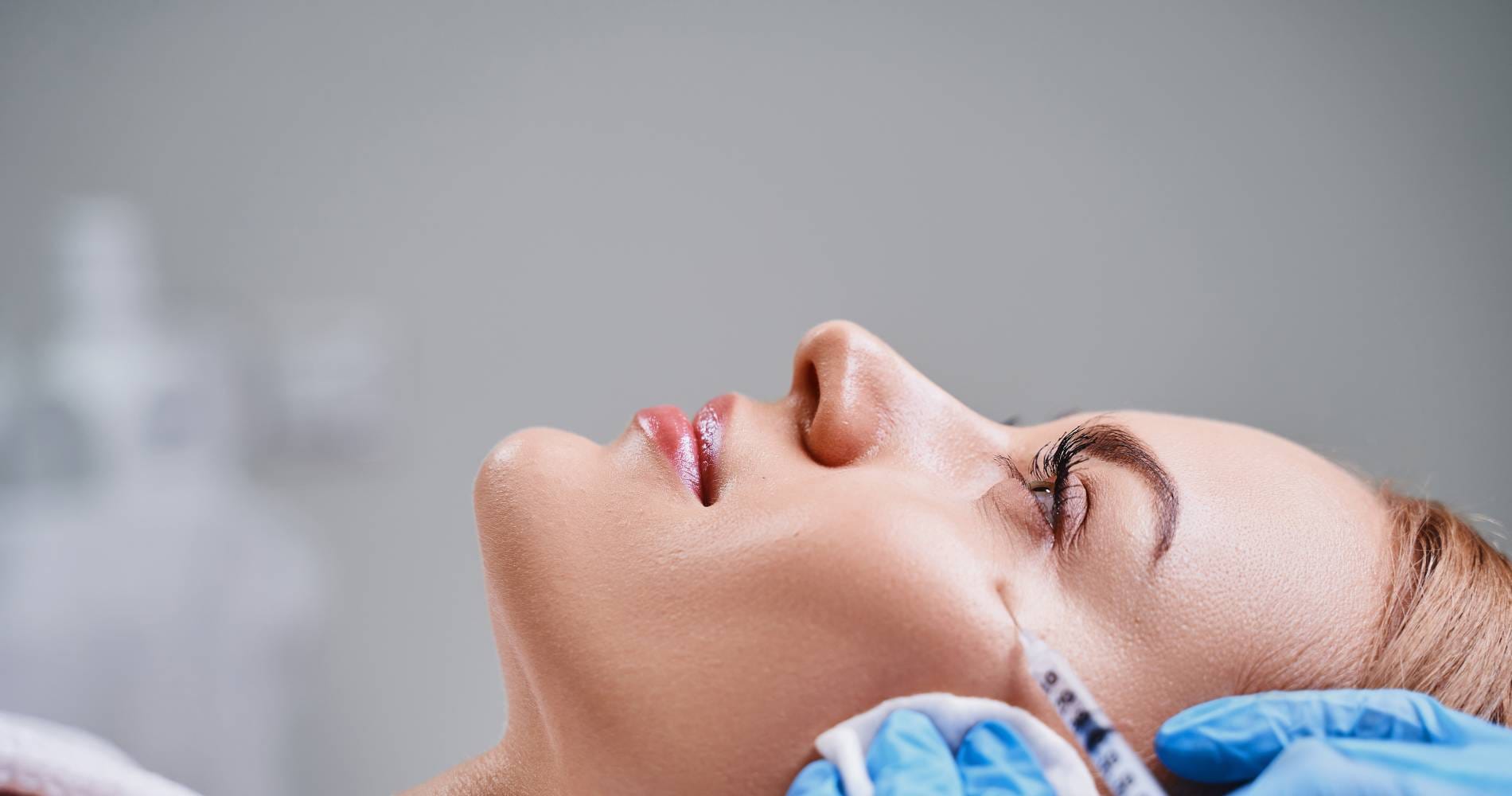

Not every filler journey is straightforward. Whether you are dealing with lumps, migration, an old result you no longer like, or you simply want a second opinion before your next appointment, ultrasound-guided filler dissolving is a specialist service – and one that, in the UK, can legally only be prescribed and administered by a small number of practitioners. This guide explains what a filler complications and dissolving clinic does, why it matters, and what to expect at Dawn Clinic in Penarth.
Cardiff, Penarth and Newport have no shortage of clinics offering dermal filler. Far fewer offer a genuine complications and dissolving service – and understanding why is an important part of choosing where to be treated, whether for new filler or for correcting existing filler.
What is a filler complications and dissolving clinic?


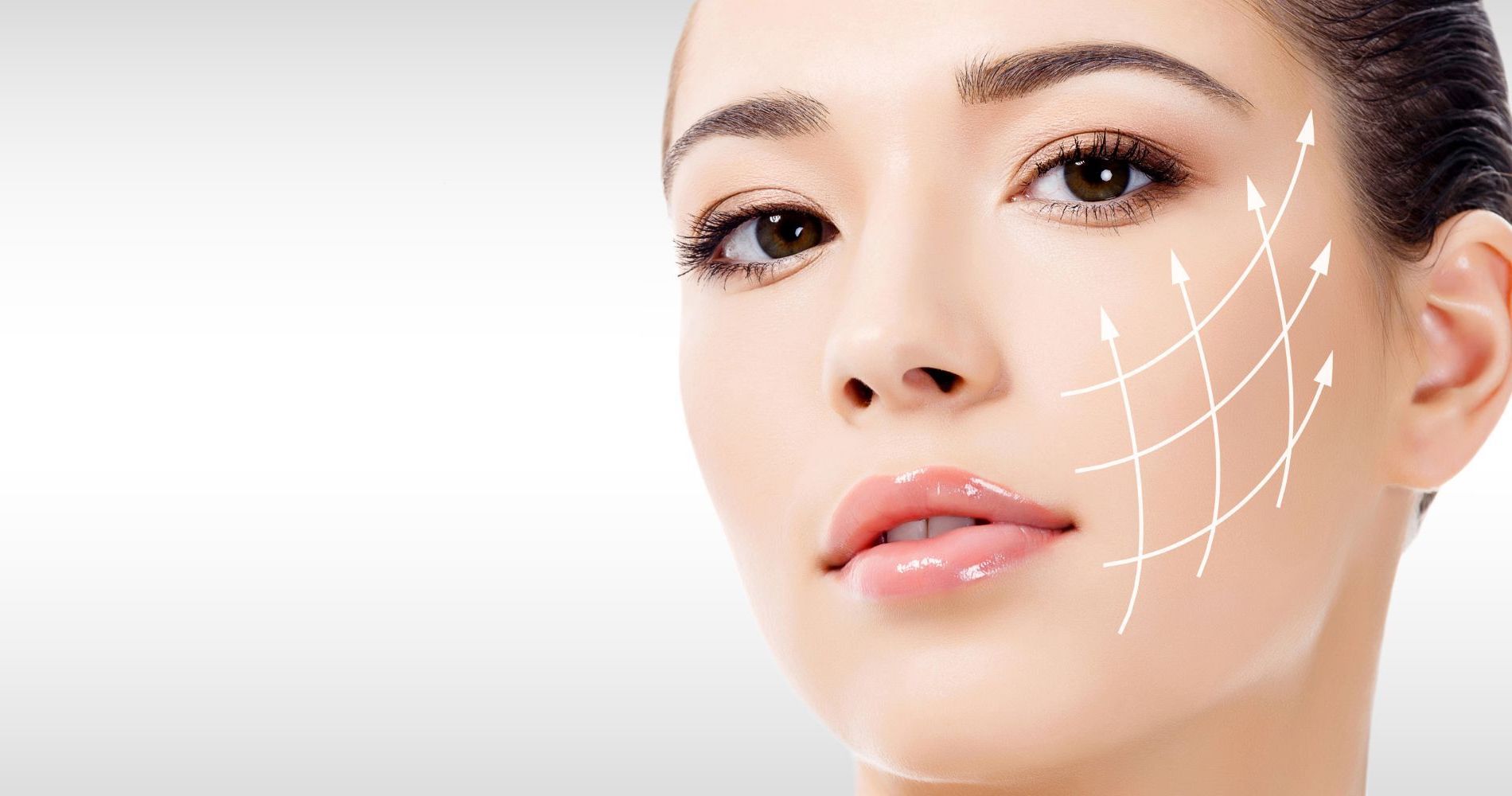
A filler complications and dissolving clinic assesses and, where appropriate, dissolves hyaluronic acid dermal filler using hyaluronidase – an enzyme that breaks down hyaluronic acid in the tissue. This might be needed for a genuine medical complication, such as a vascular occlusion (where filler has compromised blood flow to the surrounding tissue), or for far more common, less urgent reasons such as lumps, asymmetry, migration of product away from the treated area, or simply a result the patient is no longer happy with.
What sets a proper complications and dissolving service apart is not just having access to hyaluronidase – it is having the clinical judgement, imaging, and prescribing authority to use it safely and appropriately.
Why hyaluronidase is prescription-only – and why that matters
Hyaluronidase is a prescription-only medicine (POM) in the UK. That means it can only be prescribed by a qualified prescriber – a doctor, an independent nurse prescriber, or a dentist with prescribing rights – following a proper clinical assessment. It cannot legally be supplied to, or administered independently by, a non-medical injector.
This is a significant point that is often misunderstood. Across Cardiff, Penarth and Newport, a large number of practitioners offering dermal filler are non-medical injectors – they are not doctors, nurses or dentists, and they cannot prescribe. If something goes wrong, or if a patient simply wants filler dissolved, a non-medical injector legally cannot resolve it themselves; they would need to refer the patient elsewhere for a prescriber to assess and treat.
Dawn Richardson is a Registered General Nurse and V300 Independent Nurse Prescriber, which means she can assess, prescribe and administer hyaluronidase herself, on the same visit if clinically appropriate – without needing to refer a patient on to a third party for the prescribing step. This is one of the reasons Dawn Clinic is able to offer a genuine complications and dissolving service, rather than simply performing filler treatments.
Why ultrasound guidance matters
Facial anatomy varies from person to person, and filler – whether recently placed or from months or years ago – is not always visible or straightforward to locate by touch alone. Ultrasound imaging allows the treating practitioner to see exactly where filler sits in relation to blood vessels, muscle and other structures before injecting hyaluronidase, rather than working from assumption or feel.
This matters for two reasons. First, it improves precision – hyaluronidase can be directed exactly where it is needed, reducing the risk of dissolving more than intended or missing product that is deeper or more diffusely spread than expected. Second, it improves safety – being able to visualise the proximity of major blood vessels before injecting is an important safeguard, particularly in emergency situations such as a suspected vascular occlusion, where rapid, accurate treatment can make a meaningful difference to the outcome.
When might you need filler dissolved?
- Vascular occlusion – a medical emergency where filler has compromised blood supply to the skin; this needs urgent assessment and treatment by a qualified prescriber.
- Lumps or nodules – filler that has clumped or formed a palpable lump under the skin.
- Migration – filler that has moved away from where it was originally placed, sometimes appearing as puffiness in an unintended area, such as under the eyes or along the jawline.
- Asymmetry or overcorrection – an uneven or overdone result that the patient wants softened or corrected.
- Simply changing your mind – you may love the idea of filler but not the result, or want to reset before trying a different approach. This is a valid, common reason to seek dissolving, not just a medical one.
- Old, unknown filler – some patients are unsure what product, or how much, was used in previous treatment elsewhere, and want an assessment before deciding whether to have new filler placed.
If you are ever concerned about how your filler looks or feels – whether that is pain, unusual swelling, discolouration, or something that simply doesn’t look right – you should seek assessment from a qualified prescriber as soon as possible rather than waiting.
What to expect at a dissolving consultation
Every dissolving appointment begins with a thorough assessment, including a discussion of what was previously injected, when, and by whom if known, followed by a physical and, where appropriate, ultrasound-guided examination of the area. Dawn will explain what she can see, talk through the options, and agree a plan with you before any treatment goes ahead – dissolving is not always the automatic answer, and in some cases a period of monitoring or a different approach may be recommended instead.
Where hyaluronidase is appropriate, it is injected directly into the treatment area. Some patients need more than one session depending on how much product needs to be dissolved and how the tissue responds. Full aftercare guidance is given, and Dawn remains available to review how you are settling afterwards.
Frequently asked questions
Can any aesthetics clinic dissolve filler?
No. Hyaluronidase, the enzyme used to dissolve hyaluronic acid filler, is a prescription-only medicine. Only a qualified prescriber – a doctor, independent nurse prescriber or dentist with prescribing rights – can prescribe and administer it. A non-medical injector cannot legally do this themselves, even if they placed the original filler.
Does dissolving filler hurt?
Most patients find the injections involved in dissolving comfortable, similar to having filler placed. Some mild swelling, bruising or tenderness in the treated area afterwards is common and usually settles within a few days.
How quickly does hyaluronidase work?
Hyaluronidase begins breaking down hyaluronic acid very quickly, and many patients notice a visible reduction within 24 to 48 hours, though the full effect can take a little longer to settle. In a genuine vascular emergency, treatment needs to happen as quickly as possible, which is one reason having a prescriber able to treat on the spot matters.
Will dissolving filler damage my own natural tissue?
Hyaluronidase specifically targets hyaluronic acid, which is what most modern dermal fillers are made from – it does not dissolve your body’s own collagen or other tissue. That said, appropriate dosing and technique matter, which is why assessment and treatment by an experienced prescriber is important.
Can I have new filler after having old filler dissolved?
In most cases, yes, though timing depends on the individual situation and will be discussed with you. Some patients choose to dissolve old filler specifically so they can start fresh with a treatment plan better suited to their goals.
I’m not sure who treated me originally – can you still help?
Yes. We regularly assess patients who are unsure exactly what was used or by whom. A thorough consultation, including ultrasound assessment where appropriate, allows Dawn to form a clear picture of what is there and recommend the safest way forward.
Filler dissolving is a prescription-only medical treatment. Suitability, urgency and treatment approach are always assessed individually by a qualified prescriber. If you believe you are experiencing a vascular occlusion or other emergency complication, seek urgent medical attention.
Book a filler assessment in Penarth
Dawn Clinic is based in Penarth, a short distance from Cardiff and easily reached from across the Vale of Glamorgan, Newport and South Wales. Whether you have a concern about existing filler, want a second opinion, or are simply ready for a change, Dawn – as a V300 Independent Nurse Prescriber – can assess and, where appropriate, treat you without needing to refer you elsewhere.
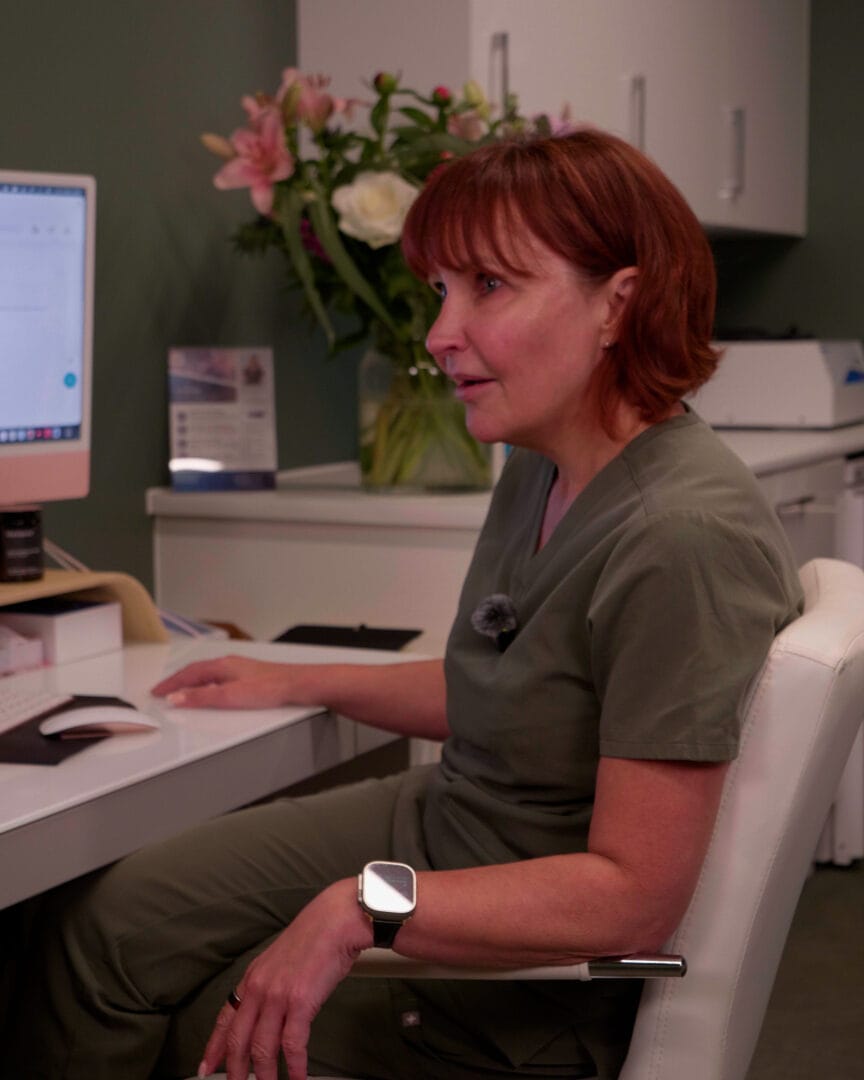
Written and reviewed by Dawn Richardson RGN, V300 – Independent Nurse Prescriber and founder of Dawn Clinic, Penarth.
Dawn Richardson is a Registered General Nurse and Independent Nurse Prescriber with over 35 years of nursing experience, including NHS hospital and community care. For the past 18 years she has specialised in aesthetic medicine and advanced skin treatments, and is one of the most experienced independent nurse prescribers in South Wales.