Hair thinning has many possible causes, so working out why it is happening comes before choosing any treatment. This guide is for anyone in Penarth or Cardiff weighing up their options: it explains when to see your GP first, what the Hydrascalp scalp treatment involves, and how polynucleotides and exosomes are currently viewed for hair.
Searching for hair thinning treatment in Penarth or Cardiff turns up a long list of products and procedures, and it is not always clear which have evidence behind them. This guide keeps to a sensible order: the cause first, then the options, and an honest word on what any hair treatment can and cannot do.
What causes hair thinning, and when should you see your GP?
Many things can cause hair thinning, including stress, illness, cancer treatment, weight loss and low iron, and the NHS advises speaking to your GP if it worries you. A GP can check for medical reasons and talk through the medicines that exist for some types of hair loss. That makes the GP the right first stop, ahead of any cosmetic treatment.
Medicines are not a guaranteed answer. The NHS says the main hair-loss medicines do not work for everyone, only work while you keep using them, and are not all available on the NHS. Knowing this early helps you judge every other option, including ours, on fair terms.
The NHS counts thinning hair among the changes that can come with the perimenopause and menopause, and it lists weight loss as a cause of hair loss. Hair can also shed after illness, stress or a big change in the body, and thyroid conditions or low iron can contribute too, which is worth raising with your GP.
How do the scalp and regenerative options compare?
Scalp and regenerative options aim to look after the scalp and support the appearance of the hair, not to promise regrowth, and the evidence behind them sits at very different stages. These are the ones that come up most often.
- Hydrascalp: a professional scalp treatment that its manufacturer describes as built around three steps: purify, nourish and boost.
- Polynucleotides: purified DNA fragments, usually taken from salmon or trout, best known as skin booster injections, with their use for hair still at an early research stage.
- PRP: platelet-rich plasma, a treatment the clinic offers for the scalp. This guide makes no claim about how well it works.
Not every option has the same amount of research behind it. Evidence for the scalp treatment comes from its manufacturer. The polynucleotide studies are small, and the exosome studies vary widely. Knowing what kind of evidence you are being shown is the best protection against over-promising.
In practice that points to a simple order. See your GP if you are worried, deal with any medical cause first, and only then weigh up scalp care or regenerative options, asking each time what evidence sits behind the claims.
Exosomes are tiny packets of signals that cells release, and products containing them are marketed for skin and hair. Early studies are small and varied, so the research is still at an early stage. UK rules on exosome products depend on what they are made from and how they are used, so anyone offered an exosome treatment can reasonably ask what it is made from, whether it is injected or applied to the skin, and what evidence supports it.
What does a Hydrascalp treatment involve?
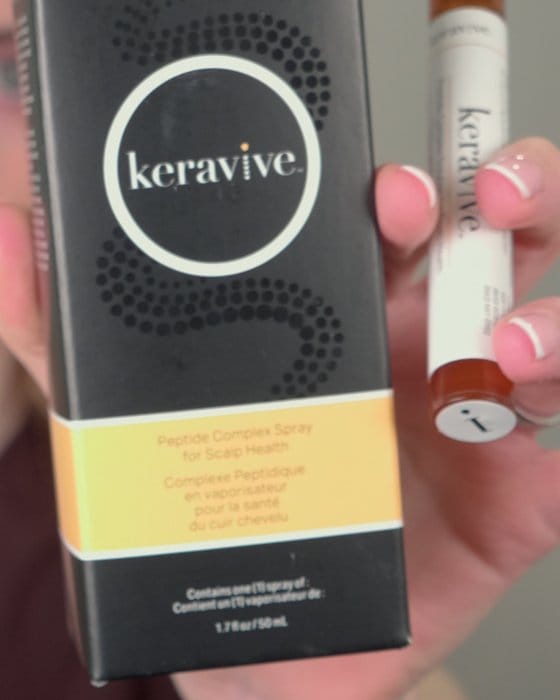
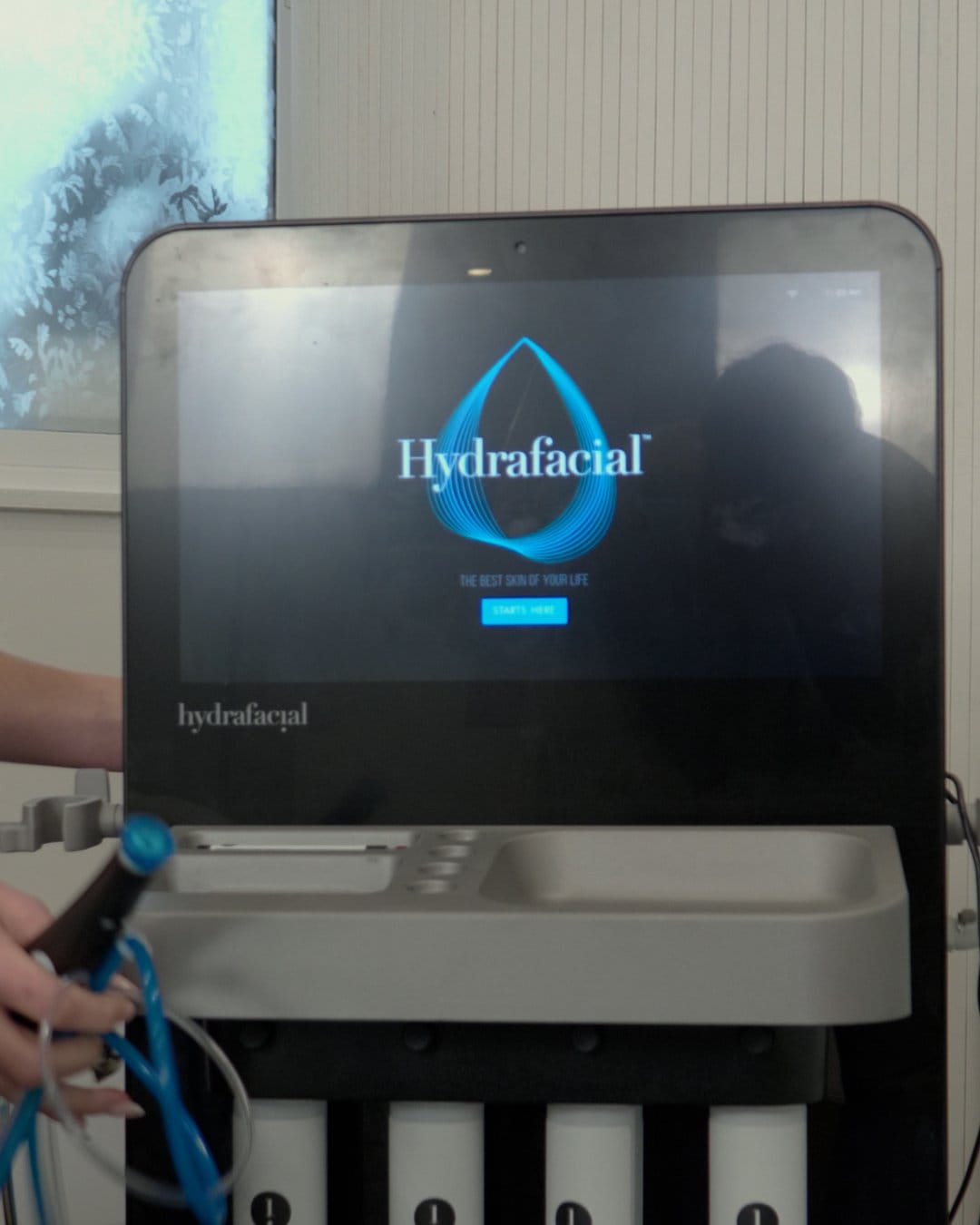
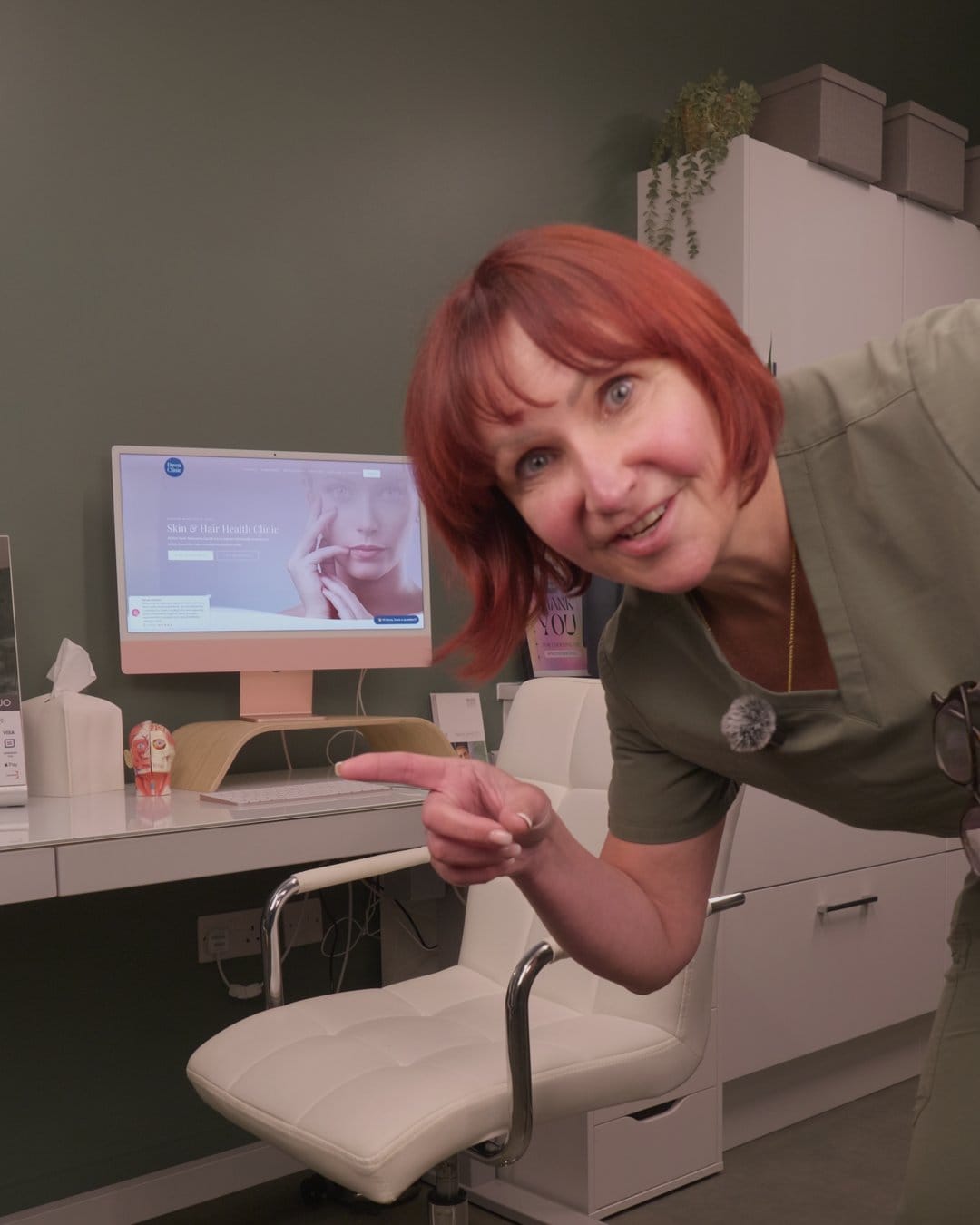
Hydrascalp, which was previously called Keravive, is the scalp treatment offered at Dawn Clinic, and its manufacturer describes it as delivered in three steps.
- Purify: light suction and exfoliation purify the scalp.
- Nourish: peptides and hydration are applied to the scalp.
- Boost: the manufacturer’s protocol includes a peptide spray to use daily at home between visits.
The UK manufacturer describes Hydrascalp as a treatment to help purify and hydrate the scalp, which can support the look of healthier hair. The studies it cites were run by the manufacturer itself, and independent research is limited. It is a scalp-care treatment, so the GP route above still matters if you suspect a medical cause.
What does a course of Hydrascalp look like?
At Dawn Clinic, a Hydrascalp course is three treatments, four weeks apart. The manufacturer puts each session at 30 to 60 minutes, depending on whether part or all of the scalp is treated.
If your thinning could have a medical cause, it is sensible to see your GP before or alongside any scalp treatment. Whenever you book, bring details of your medicines and of the hair products and colour treatments you use.
Where do polynucleotides fit in?
Polynucleotides are explained in our guide to skin boosters, which covers their use on the skin. This page keeps to what is known about hair.
The evidence for polynucleotides is better developed for skin than for hair. Small studies suggest the injections can improve skin texture and elasticity, though follow-up has been short, and research into their use for hair is limited. The research so far comes from small studies with no agreed dose or interval, and long-term safety has not been established. Mild swelling, redness or bruising after injection is common and usually settles quickly. Treatment does not suit everyone, so tell Dawn about your medical history and any allergies before any injection is considered.
Frequently asked questions
Should I see my GP before booking a scalp treatment?
Yes. The NHS suggests speaking to a GP whenever hair loss worries you, because illness, stress, iron levels and other changes can all play a part. If a medical cause turns up, treating that comes first, and a scalp treatment can be considered afterwards.
Can weight loss or the menopause cause hair thinning?
Yes. The NHS lists weight loss among the causes of hair loss, and it includes thinning hair in its list of perimenopause and menopause symptoms. Mention it to your GP either way, since they can look at the whole picture.
Will Hydrascalp make my hair grow back?
It is not presented as a regrowth treatment. The manufacturer’s UK description centres on scalp care and the appearance of the hair, and no outcome can be promised. Dawn will explain what is realistic for your own hair at your appointment.
Can I have Hydrascalp if I colour my hair or wear braids?
The manufacturer says it is designed for all scalp and hair types, including braids, extensions and dyed hair. Dawn will still check that it suits you before a course begins. Tell Dawn about any scalp condition or irritation.
Do polynucleotides work for hair thinning?
Research into polynucleotides for hair is early and limited, so there is no firm answer yet. They are better studied as skin booster injections, and even there the studies are small with short follow-up. Dawn can explain how the evidence compares for your situation.
Can the scalp treatment be combined with other hair care?
The manufacturer says it can complement other hair or scalp treatments. What to combine, and in what order, is a personal decision, so Dawn will advise once she knows your hair, your history and any care you already use.
This guide offers general information and is not medical advice. Hair thinning can have causes that need a doctor, so speak to your GP if you are worried. The treatments described here are cosmetic and agreed with you individually, and a particular result cannot be promised.
Book a scalp and hair consultation in Penarth
Dawn Clinic is based in Penarth. For readers in Cardiff or nearby, the consultation is where scalp care is discussed, while any medical cause is a matter for your GP, and the two can happen in either order.
Written and reviewed by Dawn Richardson RGN, V300, Independent Nurse Prescriber and founder of Dawn Clinic, Penarth.
Dawn Richardson is a Registered General Nurse and Independent Nurse Prescriber with over 35 years of nursing experience, including NHS hospital and community care. For the past 18 years she has specialised in aesthetic medicine and advanced skin treatments, and is one of the most experienced independent nurse prescribers in South Wales.