Collagen banking is a newer name for an older idea: looking after, and in some cases stimulating, your skin’s collagen early, before visible loss, in the hope of keeping it denser for longer. This guide explains what the phrase does and does not mean, which options practitioners discuss, how much evidence stands behind each, and how a sensible plan begins at Dawn Clinic in Penarth.
Anyone looking up collagen banking in Penarth, Cardiff or Barry will probably have met the word “investment” alongside it. This guide treats that word carefully, because no long-term study among those reviewed shows that spending on skin now guarantees a particular result later. It starts with what the phrase means, then looks at the options, including the clinic’s regenerative medicine treatments.
What is collagen banking?
Collagen banking means caring for your skin’s collagen early, rather than waiting for visible changes, so that less ground has to be recovered later. The phrase is recent, but the American Society of Plastic Surgeons describes the idea beneath it as rooted in science. Collagen is one of the structural proteins that keep skin firm and full, and production begins to slow gradually from the mid-twenties, according to one surgeon quoted in that society’s June 2026 article.
Despite the banking language, no deposit exists. The sources reviewed for this guide describe no way of measuring a collagen reserve, so the phrase works best as a metaphor for steady, early care rather than a balance you can check.
The idea belongs to a wider move towards preventive aesthetic care, which a 2023 letter in a peer-reviewed journal calls prejuvenation, meaning preventive treatment. The authors note that results vary and may not match what social media shows, so it is worth separating what is fashionable from what is evidenced.
What can collagen banking promise, and what can it not?
Collagen banking can describe a sensible habit of early, steady skin care, but it cannot promise a reserve, a guaranteed result or protection from ageing. Three limits are worth knowing before you spend anything.
- No measurable reserve: nothing in the sources reviewed measures how much collagen you have “banked”.
- Slowing, not stopping: a 2023 letter in Aesthetic Surgery Journal Open Forum says preventive treatment can slow the ageing process but not eliminate it.
- Individual results: the same letter says patients should expect results to differ between individuals and not to match what they see online.
Some practitioners argue that preserving collagen is easier than restoring it after significant loss, and the surgeons quoted by the American Society of Plastic Surgeons take that view. It is expert opinion, and none of the sources reviewed for this guide shows that treating skin in the thirties leads to better skin decades later. Starting early is therefore a reasonable choice, but not a proven shortcut.
Which options do practitioners discuss?
Practitioners discuss several routes to supporting collagen, and the evidence behind them is uneven. Some are offered at Dawn Clinic and some are simply part of the wider literature.
- Collagen supplements: the evidence that they improve skin is limited, and how the body uses swallowed collagen is unsettled.
- Polynucleotide skin boosters: the research so far is encouraging but limited. Dawn Clinic offers them, and its skin boosters guide explains the treatment.
- Sculptra: an injectable designed to encourage the body to produce new collagen, so that any effect builds gradually rather than appearing at once.
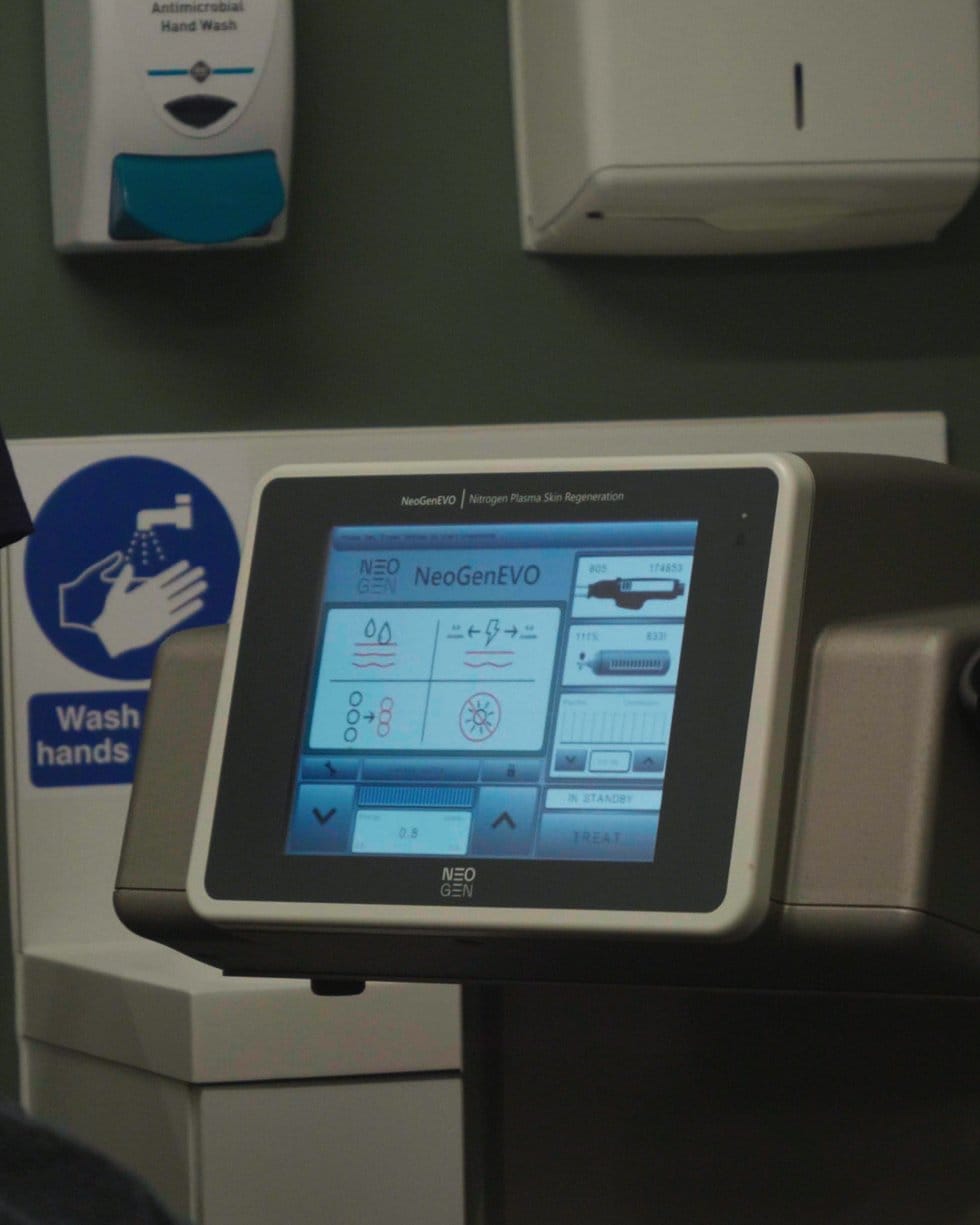
- NeoGen: a treatment delivering bursts of nitrogen plasma energy that its manufacturer describes as designed to encourage new collagen and elastin.
- Lasers and radiofrequency devices: surgeons quoted by the American Society of Plastic Surgeons describe evidence that these stimulate new collagen, though that is expert opinion in a news article rather than a systematic review.
Polynucleotides are purified DNA fragments of fish origin. A systematic review of nine studies reported promising improvements in wrinkles, texture and elasticity, and mild, short-lived side effects, but the studies were of low to moderate quality and little is known about long-term safety.
The same society’s article also lists microneedling, collagen-stimulating injectables and fat grafting without grading the evidence for each. When you compare options, it helps to ask what kind of source sits behind a claim, because a manufacturer’s own study, an expert quoted in the press and a systematic review carry different weight.
What does a sensible plan look like?
How is a plan chosen? Dawn starts from your skin and your medical history, and the two of you then decide which option, if any, to try. Session numbers depend on the option chosen, and Dawn agrees them with you after assessing your skin.
The clinic’s skin boosters guide describes a first run of two or three appointments a few weeks apart, then top-ups every four to six months. Other options follow different rhythms, and the Sculptra guide covers its own. It is reasonable to ask for a stopping point to be agreed at the outset.
A plan can also conclude that nothing is needed yet. Whoever you see, you are entitled to ask what a product is, what has been shown about it and how the practitioner is qualified. Dawn’s credentials appear at the foot of this page.
How does this connect to menopause and Sculptra?
Research summarised in a 2025 review suggests that skin collagen keeps falling steadily in the years after the menopause. For detail on collagen-stimulating injectables, our Sculptra guide covers how the treatment works and what a course involves, so this page does not repeat it. If you are still deciding whether to start, the Sculptra guide gives a fuller picture of what is known and what is not.
Frequently asked questions
Is collagen banking proven?
No. The idea has expert backing, but none of the sources reviewed for this guide shows that treating skin in the thirties produces better skin decades later. It is best seen as steady early care rather than a guaranteed return.
What age should I start?
There is no agreed age. Surgeons quoted by the American Society of Plastic Surgeons suggest the late twenties or thirties, but that is expert opinion, and the same article says starting later remains possible. Dawn will talk through your skin and your priorities before recommending anything.
Do collagen supplements work?
The evidence that collagen supplements improve skin is limited, and how the body uses swallowed collagen is still unsettled. A practitioner should be able to tell you what evidence supports any product you are considering.
Which treatments stimulate collagen?
Practitioners discuss several, including polynucleotide injections, collagen-stimulating injectables such as Sculptra, microneedling, and certain lasers and radiofrequency devices, with the evidence differing between them. Dawn can explain the options the clinic offers and what is known about each.
How often would I need treatment?
It depends on the option and on your skin. Skin boosters follow an initial run and then occasional top-ups, whereas Sculptra is planned individually between you and the practitioner, and Dawn confirms the numbers once she has assessed you.
Who should wait before starting?
Pregnancy, breastfeeding and a skin infection affecting the treated area are among the reasons the Sculptra guide gives for not treating. Before any treatment Dawn reviews your medical history and the condition of your skin, so mention anything that has changed, including any allergies.
These are cosmetic procedures, not medical treatment, and no one can promise what any of them will do for your skin. Dawn weighs suitability with you after an assessment.
Book a collagen planning consultation in Penarth
Dawn Clinic is based in Penarth. Whether you live in Cardiff, Barry or further afield, a booking can be made through the clinic’s online system, or you can ask a question beforehand. Numbers of appointments and their spacing are agreed once Dawn has seen your skin, so you do not need to decide on a course before the first visit.
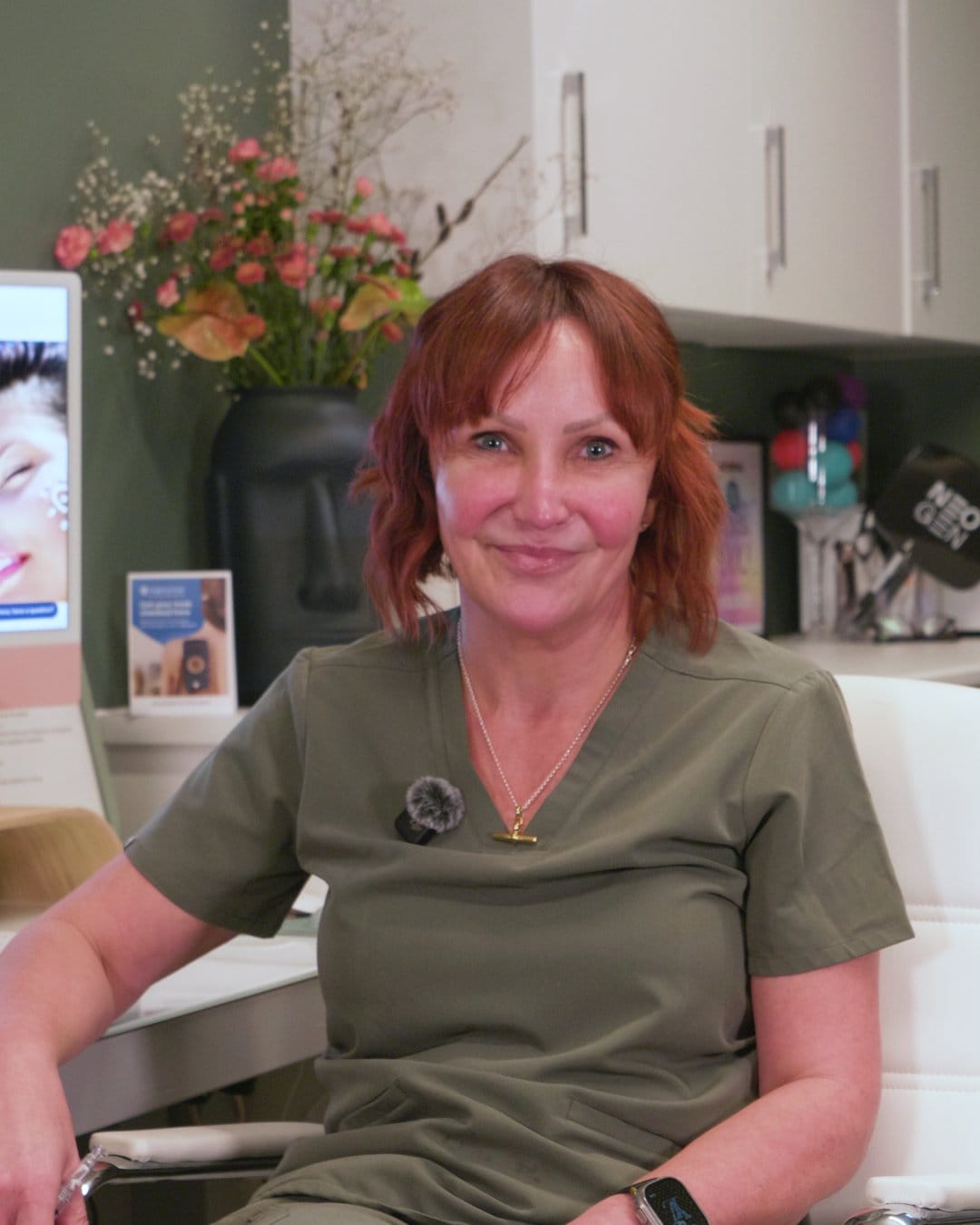
Written and reviewed by Dawn Richardson RGN, V300, Independent Nurse Prescriber and founder of Dawn Clinic, Penarth.
Dawn Richardson is a Registered General Nurse and Independent Nurse Prescriber with over 35 years of nursing experience, including NHS hospital and community care. For the past 18 years she has specialised in aesthetic medicine and advanced skin treatments, and is one of the most experienced independent nurse prescribers in South Wales.