

“Skin boosters” is the term most people search for – but at Dawn Clinic in Penarth, the treatment behind that name is polynucleotide injections: a regenerative treatment designed to hydrate, firm and improve the underlying quality of your skin, rather than add volume or relax muscles. This guide explains what skin boosters actually are, how they differ from dermal fillers and anti-wrinkle injections, and what to expect from a course of treatment.
If you have searched for skin boosters in Cardiff, Penarth or Newport, you have probably noticed the term used slightly differently from clinic to clinic. At Dawn Clinic, our skin booster treatments use polynucleotides – a well-established regenerative technology that forms part of our wider regenerative medicine offering.
What are skin boosters?
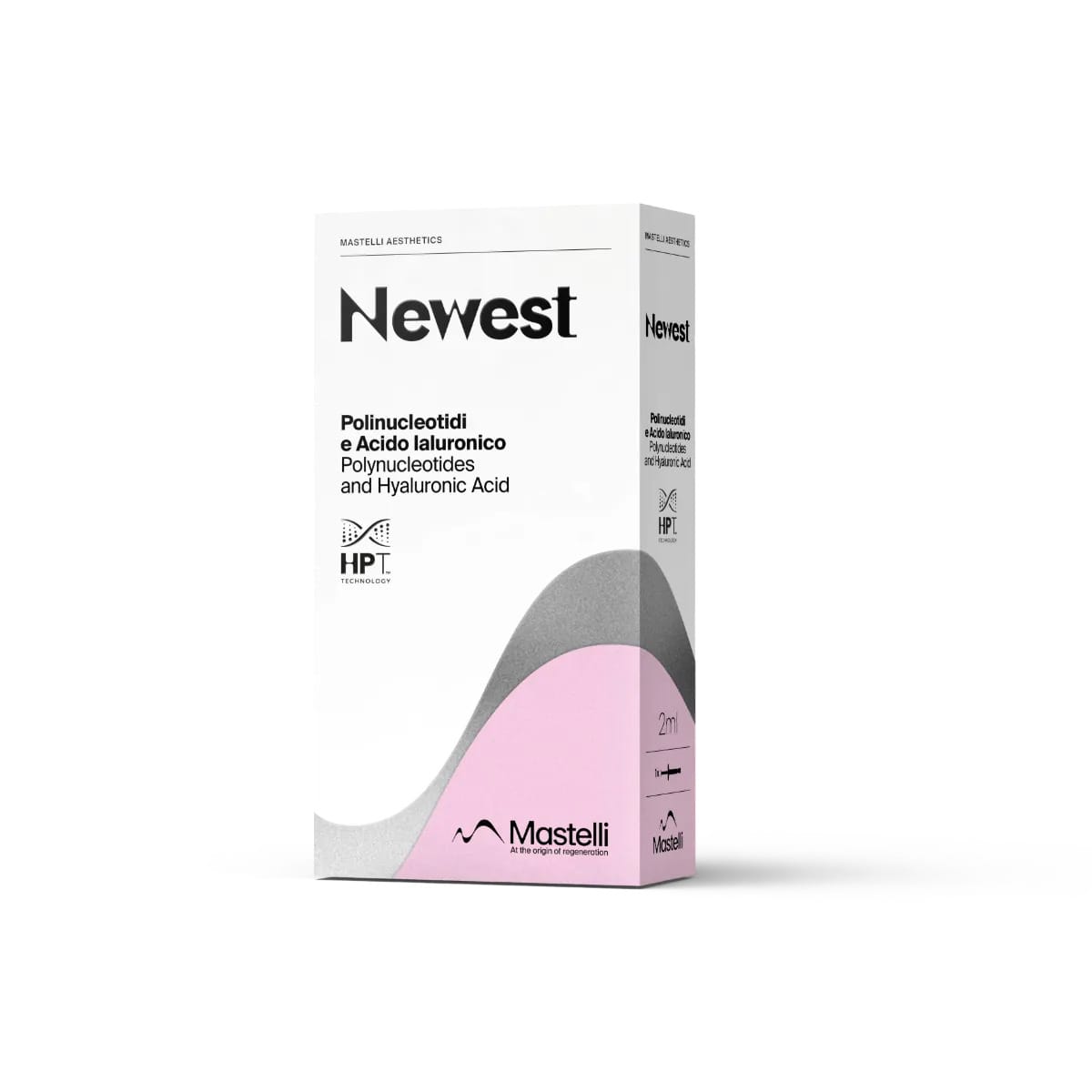
Skin boosters are injectable treatments designed to improve the quality, hydration and firmness of the skin from within, rather than to add volume or smooth specific lines. At Dawn Clinic, our skin boosters are polynucleotides – highly purified DNA fragments, most commonly derived from salmon or trout, which have excellent biocompatibility with human skin.
Once injected into the skin, polynucleotides are understood to work by supporting the skin’s own repair processes: encouraging hydration, supporting fibroblast activity (the cells responsible for producing collagen and elastin), and helping to improve the skin’s overall tone, texture and resilience. This is a genuinely different mechanism from either dermal fillers, which add volume, or anti-wrinkle injections, which relax the muscles that cause expression lines.
Skin boosters vs dermal fillers vs anti-wrinkle injections
It is worth being clear about this distinction, because the three treatments are often confused, and they are not interchangeable:
- Skin boosters (polynucleotides) – improve skin quality, hydration and firmness from within; do not add volume or restrict muscle movement.
- Dermal fillers – physically add volume to restore fullness, define contours or fill deeper lines.
- Anti-wrinkle injections – temporarily relax the specific muscles that cause expression lines, such as around the eyes or forehead.
Many patients benefit from a combination of these treatments as part of a broader plan – skin boosters improving the underlying quality of the skin, while fillers or anti-wrinkle injections address specific volume or movement-related concerns. We will always discuss which combination, if any, suits your goals at consultation.
What can skin boosters help with?
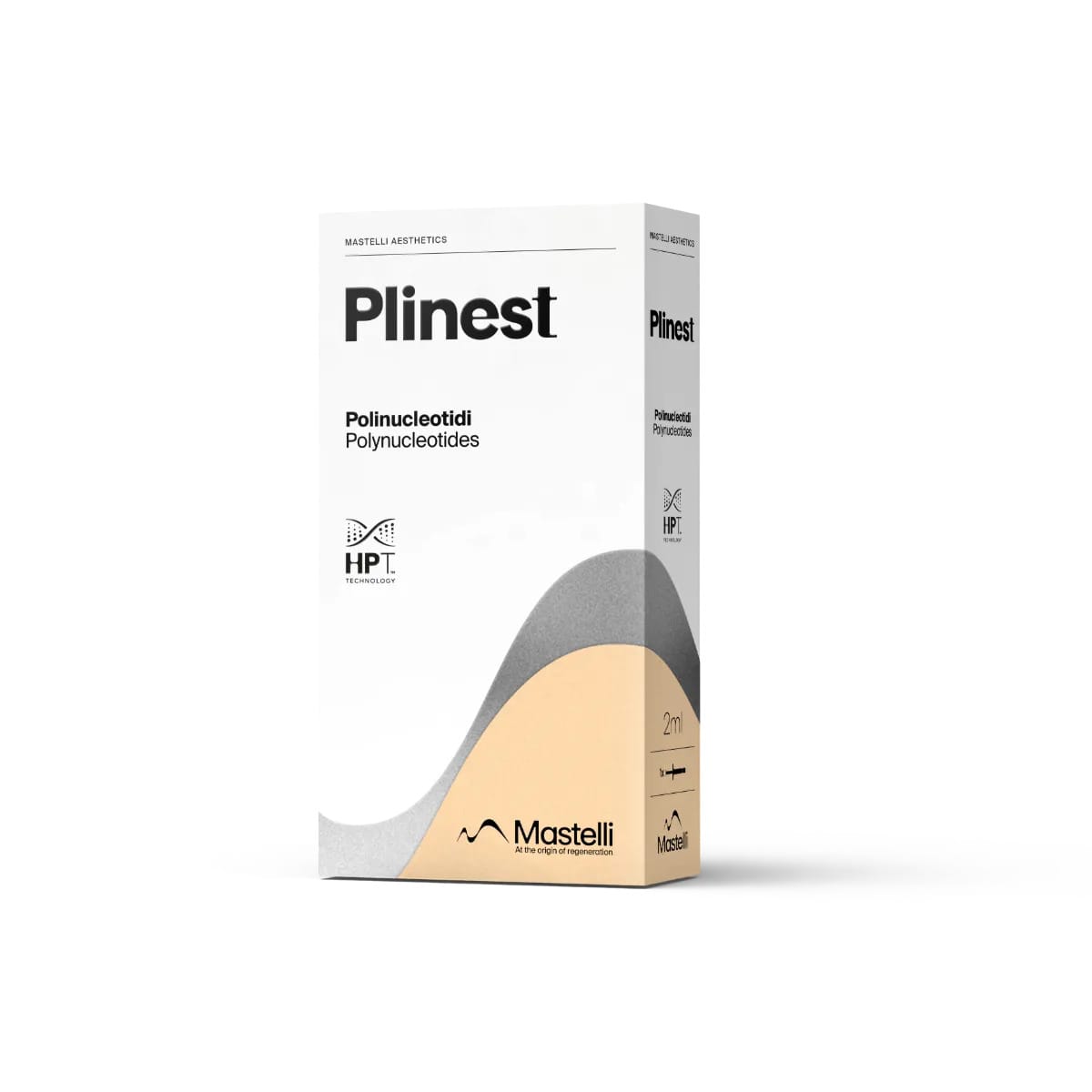
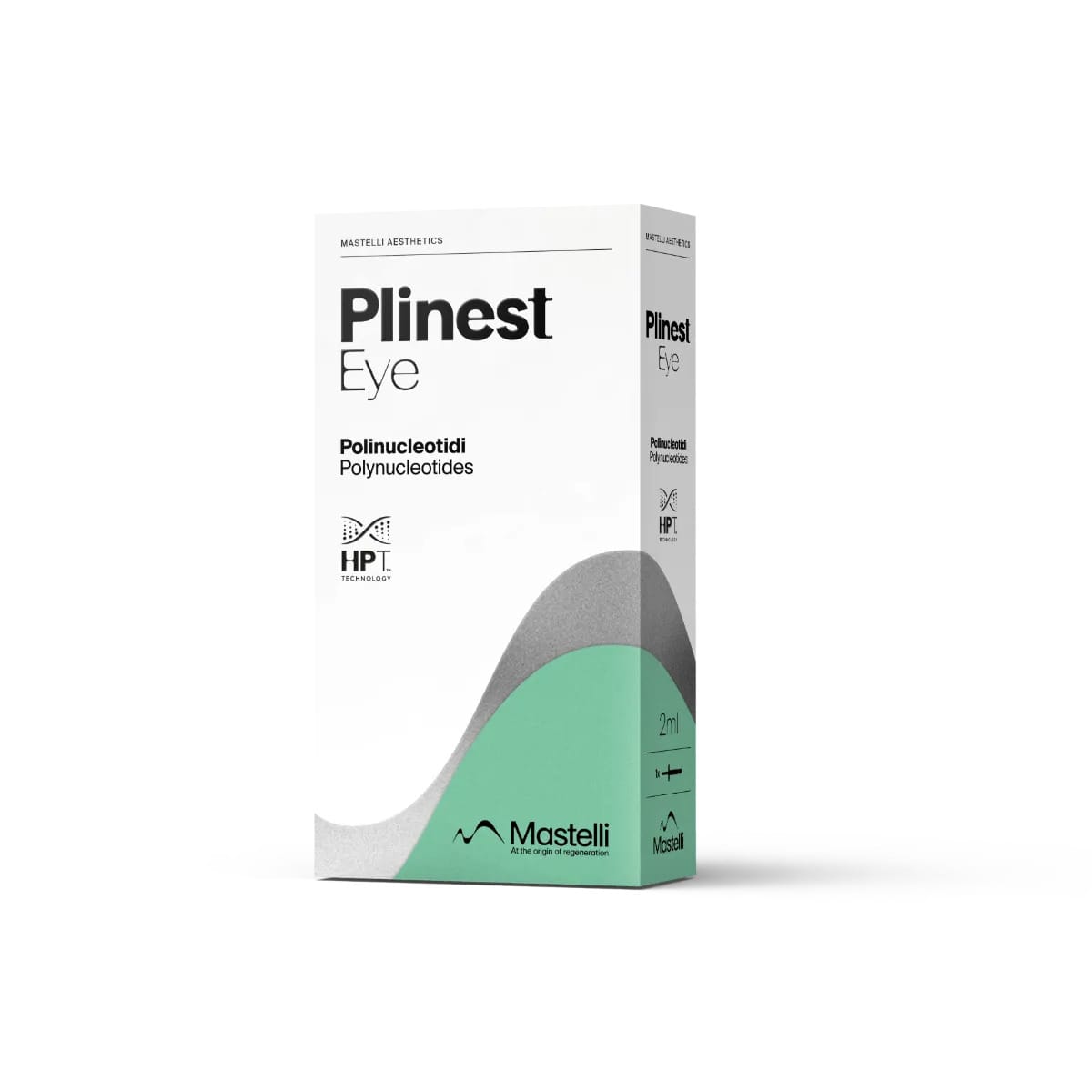
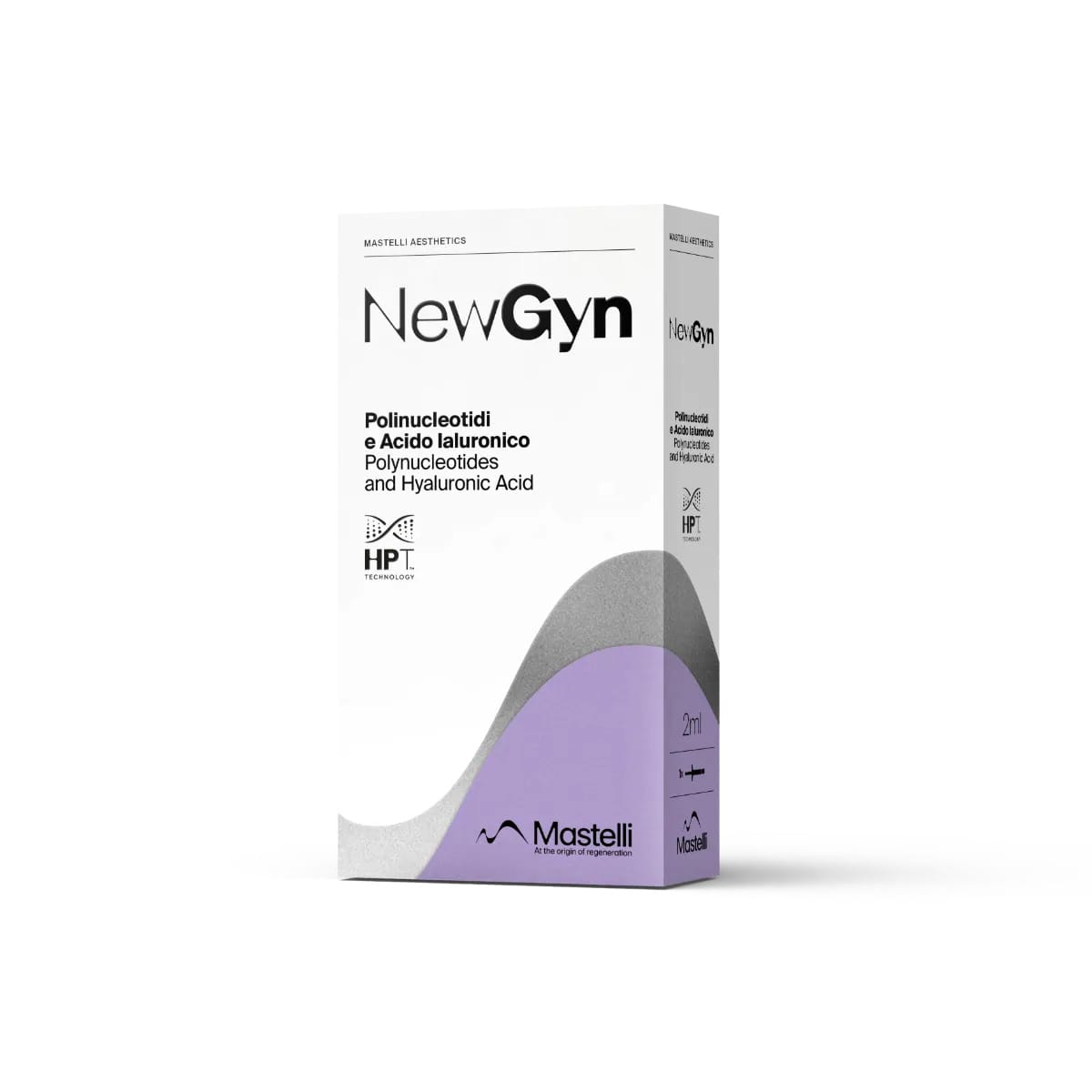
Skin boosters are a versatile treatment and are used across a range of concerns, including:
- Dehydrated, dull or tired-looking skin – supporting deep hydration from within rather than sitting on the surface.
- Fine lines and early signs of ageing – improving skin quality and resilience over a course of sessions.
- Skin laxity – supporting firmness as collagen and elastin production is encouraged.
- The delicate under-eye area – a specific polynucleotide formulation designed for this sensitive area is available, targeting fine lines, dark circles and skin quality.
- Neck and décolletage – areas often overlooked but which show visible signs of ageing and benefit from the same regenerative approach.
Because skin boosters work with the skin’s own biology rather than masking a concern, results tend to look like an overall improvement in skin quality rather than a dramatic, obvious change – which is exactly what most patients are looking for.
What to expect from a course of treatment
Skin boosters are typically delivered as a course of two to three sessions, spaced three to four weeks apart, followed by periodic maintenance sessions every four to six months to sustain results. Some patients notice visible improvement after a single session, though the full benefit builds gradually as the skin responds over the following weeks.
The treatment itself involves a series of small injections into the skin, and most patients describe mild discomfort rather than pain. Downtime is minimal – you may notice small injection marks, slight redness or minor swelling for 24 to 48 hours, but most people return to normal activities the same day.
How do skin boosters relate to our other regenerative treatments?
Polynucleotides are one part of a wider family of regenerative treatments we offer, alongside E50 Exosomes and Platelet Rich Plasma (PRP). If you would like a more detailed comparison of how polynucleotides, exosomes and PRP differ, and which might suit you best, our guide to regenerative aesthetics covers this in more depth. You can also read more about the full range on our regenerative medicine treatment page.
Frequently asked questions
Are skin boosters the same as dermal fillers?
No. Skin boosters (polynucleotides) work by improving the underlying quality, hydration and firmness of the skin. Dermal fillers work by physically adding volume. They are different treatments for different goals, though they can be used together as part of a broader plan.
Do skin boosters hurt?
Most patients describe skin booster treatment as mildly uncomfortable rather than painful, similar to a series of small injections. Any discomfort is brief, and topical numbing can be used if you are particularly sensitive.
How many skin booster sessions will I need?
Most patients have a course of two to three sessions spaced three to four weeks apart, followed by maintenance sessions every four to six months. Some notice improvement after a single session, though results generally build with each treatment. Dawn will recommend a plan tailored to your skin at consultation.
Is there any downtime after skin boosters?
Downtime is minimal. You may experience mild redness, small injection marks or slight swelling for 24 to 48 hours, and most patients return to their normal routine the same day.
Can skin boosters be used under the eyes?
Yes – a specific polynucleotide formulation designed for the delicate under-eye area is available, targeting fine lines, dark circles and skin quality in this sensitive zone. This will be assessed and discussed at your consultation.
Can I combine skin boosters with anti-wrinkle injections or dermal fillers?
Yes, absolutely. Many patients combine skin boosters with anti-wrinkle injections or dermal fillers as part of a wider rejuvenation plan – skin boosters improving overall skin quality while other treatments address specific volume or movement concerns. Dawn will advise on the best combination for you.
Skin booster (polynucleotide) treatment is a cosmetic injectable procedure. Suitability is confirmed at consultation and results vary from person to person.
Book a skin booster consultation in Penarth
Dawn Clinic is based in Penarth, a short distance from Cardiff and easily reached from across the Vale of Glamorgan, Newport and South Wales. If you are interested in skin boosters, the first step is a consultation where we assess your skin, explain what polynucleotide treatment can support, and recommend a plan tailored to you.
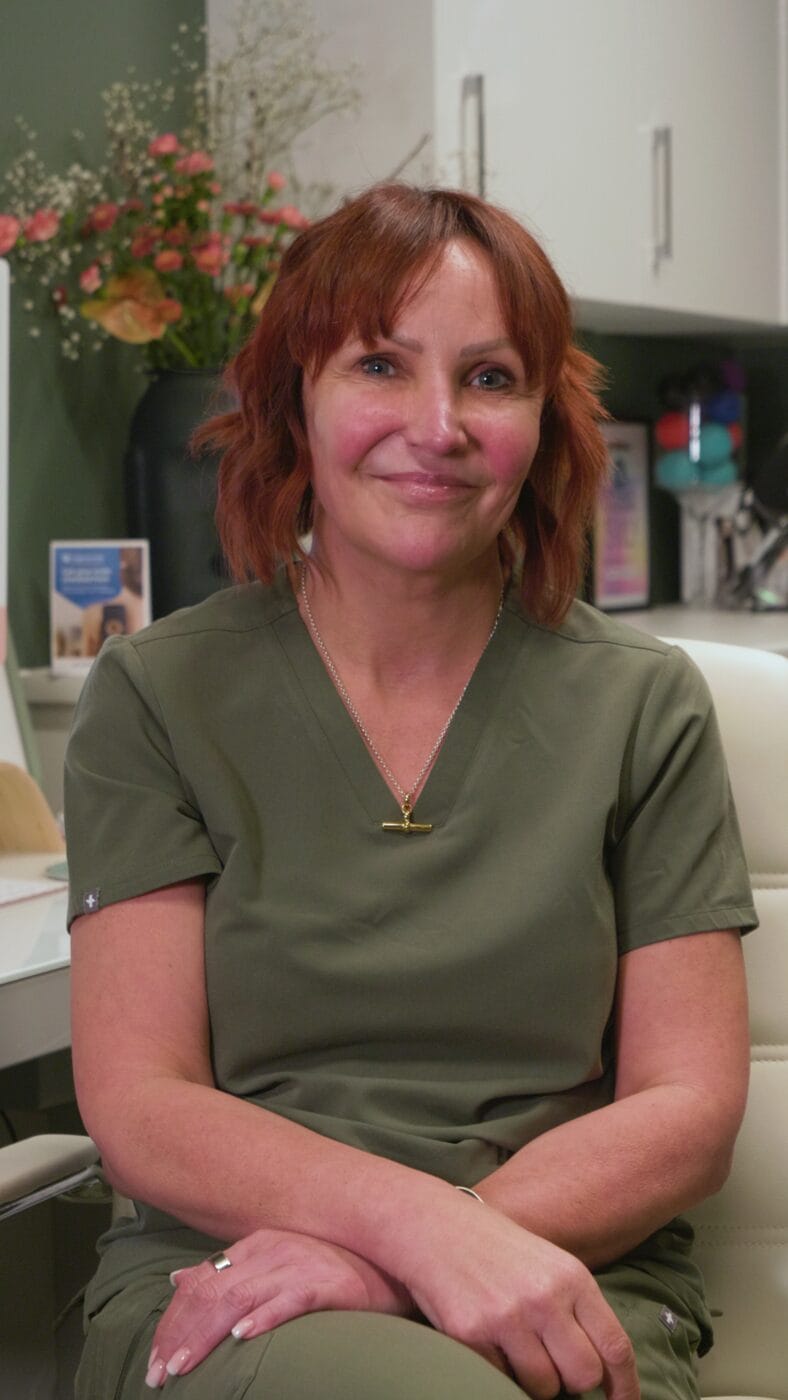
Written and reviewed by Dawn Richardson RGN, V300 – Independent Nurse Prescriber and founder of Dawn Clinic, Penarth.
Dawn Richardson is a Registered General Nurse and Independent Nurse Prescriber with over 35 years of nursing experience, including NHS hospital and community care. For the past 18 years she has specialised in aesthetic medicine and advanced skin treatments, and is one of the most experienced independent nurse prescribers in South Wales.