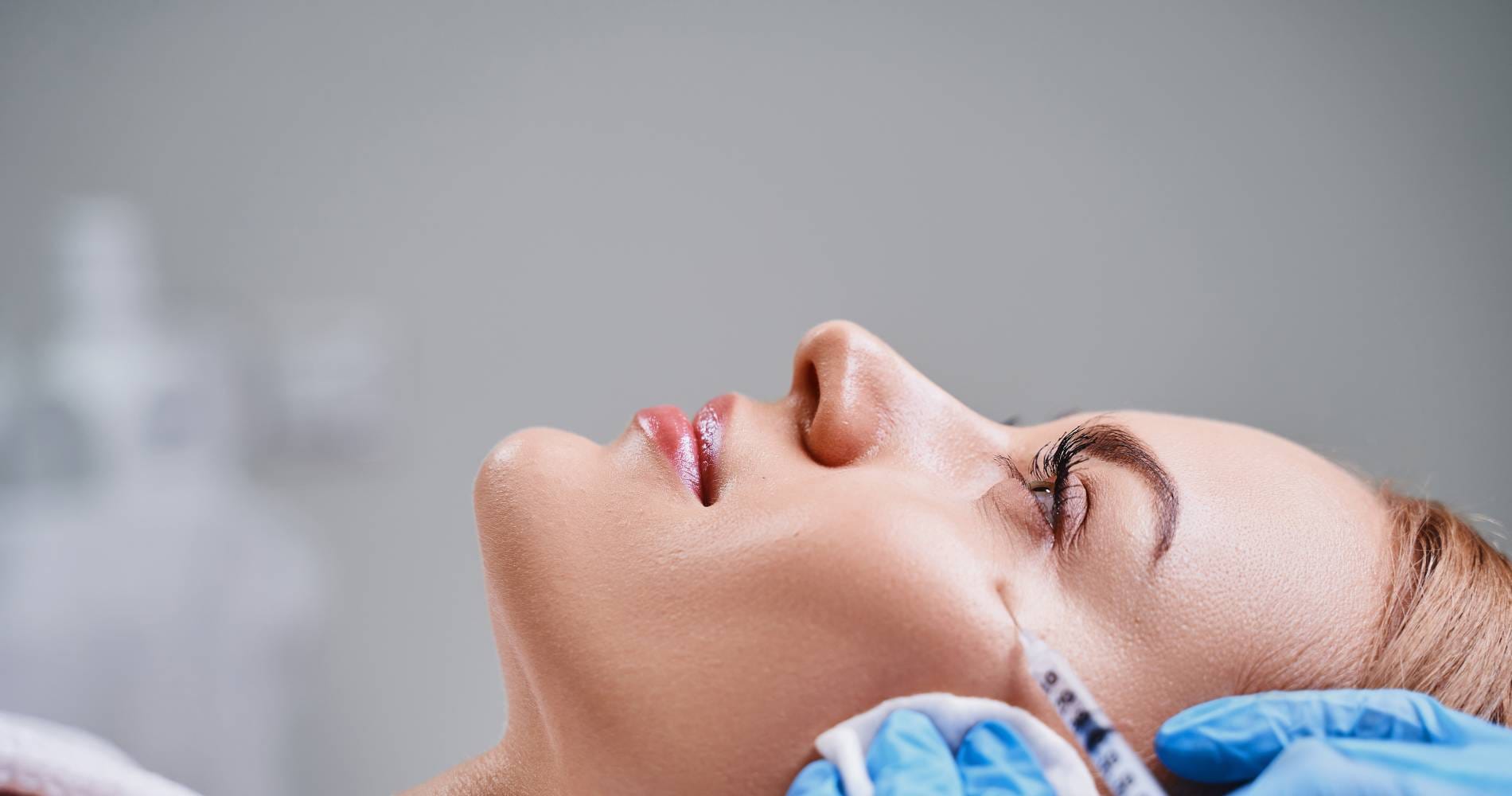

Regenerative aesthetics — including polynucleotides, exosomes, and PRP — represents the fastest-growing area in non-surgical treatments, using your body’s own biology to restore skin quality from within. Unlike traditional treatments that add volume or relax muscles, these therapies stimulate genuine cellular repair, collagen production, and tissue regeneration for results that look and feel natural.
If you’ve been following the aesthetics world recently, you’ll have noticed a shift. While anti-wrinkle injections and dermal fillers remain the foundation of most treatment plans, a new generation of regenerative therapies is transforming what’s possible without surgery. At Dawn Clinic in Penarth, just 10 minutes from Cardiff city centre, we offer all three of the leading regenerative treatments — polynucleotides, E50 Exosomes, and PRP — making us one of the most comprehensive regenerative aesthetics providers in the Cardiff and Vale of Glamorgan area.
Dawn Richardson, our clinic founder and lead practitioner, is a Registered General Nurse with over 32 years of nursing experience and 17 years specialising in aesthetics. As a V300 independent nurse prescriber, Dawn has watched the aesthetics industry evolve through numerous trends — and she’s clear that regenerative medicine isn’t a passing fad. It’s the future of how we care for ageing skin.
What Is Regenerative Aesthetics?
Regenerative aesthetics is an umbrella term for treatments that work by stimulating your body’s own healing and renewal processes. Rather than masking the signs of ageing, these therapies address the underlying causes — declining collagen production, reduced skin elasticity, poor cellular turnover, and loss of tissue quality.
The goal is straightforward: encourage your skin to repair and rejuvenate itself, producing results that develop gradually and look entirely natural. There’s no “frozen” look, no risk of overfilling, and no dramatic overnight change that everyone notices. Instead, patients typically report that their skin simply looks healthier, firmer, and more radiant over a period of weeks.
Three treatments sit at the forefront of this approach, and each works through a different biological mechanism.
Polynucleotides: The Treatment Everyone Is Searching For
Polynucleotide treatments have seen extraordinary growth in the UK, with search interest rising by over 190% year on year and approximately 19,000 monthly searches nationally. There’s a good reason for this surge in popularity — they work remarkably well.
How Polynucleotides Work
Polynucleotides are purified fragments of DNA, typically derived from salmon or trout DNA (which is highly biocompatible with human tissue). When injected into the skin, these DNA fragments act as a biological scaffold, stimulating fibroblast activity and encouraging your cells to produce new collagen, elastin, and hyaluronic acid naturally.
Think of polynucleotides as giving your skin cells a set of instructions to behave as they did when they were younger. The treatment triggers a cascade of repair processes: improved hydration, increased elasticity, reduced fine lines, and a genuine improvement in overall skin quality.
What Polynucleotides Treat
- Fine lines and wrinkles, particularly around the eyes and mouth
- Crepey skin on the neck and decolletage
- Dull, dehydrated, or tired-looking skin
- Acne scarring and uneven skin texture
- Under-eye hollowing and dark circles
- General skin laxity and loss of firmness
Who Are Polynucleotides Best Suited To?
Polynucleotides suit a wide range of patients, from those in their late twenties looking to maintain skin quality proactively, through to those in their sixties and beyond who want to restore lost vitality. They’re particularly effective for patients who feel their skin has lost its “glow” and want improvement without the use of fillers or toxins. Dawn often recommends polynucleotide treatments as a standalone option or as part of a broader treatment plan alongside other therapies.
E50 Exosomes: The Cutting Edge of Cellular Communication
If polynucleotides are the rising star, exosome therapy is the cutting edge. E50 Exosomes represent one of the newest and most exciting developments in regenerative aesthetics, and very few clinics in the Cardiff area currently offer them.
How Exosomes Work
Exosomes are tiny cell-signalling particles — essentially microscopic messengers that carry instructions between cells. In an aesthetics context, exosomes derived from stem cells are applied to the skin (often following a microneedling or resurfacing treatment) where they deliver growth factors, proteins, and genetic information directly to your skin cells.
These signals tell your cells to ramp up repair processes, produce more collagen, reduce inflammation, and accelerate healing. The result is a powerful boost to your skin’s natural regenerative capacity that goes far beyond what topical skincare products can achieve.
What Exosomes Treat
- Sun damage and photoageing
- Loss of skin firmness and elasticity
- Post-procedure healing (accelerates recovery from laser or microneedling treatments)
- Pigmentation irregularities
- Overall skin rejuvenation and radiance
- Hair thinning and scalp health
Who Are Exosomes Best Suited To?
Exosome therapy is ideal for patients seeking maximum regenerative benefit, particularly those with more advanced signs of ageing or significant sun damage. It also works exceptionally well as a complement to other treatments — Dawn frequently combines E50 Exosomes with skin resurfacing procedures to enhance and accelerate results.
PRP (Platelet-Rich Plasma): Your Body’s Own Healing Power
PRP therapy has been used in medicine for decades — in orthopaedics, wound healing, and sports medicine — before making its way into aesthetics. It remains one of the most trusted and well-researched regenerative treatments available.
How PRP Works
A PRP facial treatment begins with a small blood sample taken from your arm, much like a routine blood test. This sample is placed in a centrifuge, which separates the platelet-rich plasma from the rest of the blood. The concentrated plasma — packed with growth factors — is then either injected into the skin or applied topically following microneedling.
Because PRP uses your own blood, there is virtually no risk of allergic reaction or rejection. The growth factors in the plasma stimulate collagen synthesis, improve blood supply to the skin, and promote cellular renewal.
What PRP Treats
- Fine lines and early wrinkles
- Dull, lacklustre skin tone
- Acne scarring
- Under-eye darkness and hollowing
- Hair loss and thinning (when applied to the scalp)
- General skin rejuvenation
Who Is PRP Best Suited To?
PRP is an excellent choice for patients who prefer a completely natural approach — since it uses nothing but your own biology, it appeals to those who are cautious about introducing external substances. It’s also a superb starting point for patients who are new to regenerative aesthetics and want to experience the benefits before exploring polynucleotides or exosomes.
How Do These Treatments Compare?
All three treatments share the same fundamental philosophy — working with your body rather than against it — but they each have distinct strengths:
- Polynucleotides excel at deep hydration, skin quality improvement, and collagen stimulation. They’re versatile, effective across most skin types and ages, and deliver consistently impressive results. Currently the most in-demand regenerative treatment in the UK.
- E50 Exosomes offer the most advanced cellular signalling, making them ideal for patients wanting the cutting edge of regenerative science. Particularly powerful when combined with resurfacing treatments, and excellent for more complex skin concerns.
- PRP offers the most natural approach possible, using only your own blood. Well-researched with a long track record in medicine. Ideal for patients who want proven results with zero risk of reaction to external products.
It’s worth noting that these treatments are not mutually exclusive. In fact, many patients at Dawn Clinic benefit from a combination approach, using different regenerative therapies at different stages of their treatment plan.
Combining Regenerative Treatments with Traditional Aesthetics
One of the most common questions Dawn receives is whether regenerative treatments replace anti-wrinkle injections (commonly known as Botox) and dermal fillers. The answer is that they complement each other beautifully.
Anti-wrinkle injections address dynamic wrinkles caused by muscle movement — the lines that form when you frown, squint, or smile. Dermal fillers restore lost volume in areas like the cheeks, lips, and nasolabial folds. Regenerative treatments work on the skin itself — its texture, tone, hydration, elasticity, and overall health.
A patient might, for example, have anti-wrinkle injections to soften forehead lines, a touch of filler to restore cheek volume, and a course of polynucleotides to improve the overall quality and radiance of their skin. The result is comprehensive rejuvenation that looks entirely natural because it addresses ageing from multiple angles.
With 17 years of aesthetics experience and her background as a V300 independent nurse prescriber, Dawn is uniquely qualified to design bespoke treatment plans that draw on all of these approaches. Every consultation begins with a thorough assessment of your skin, your concerns, and your goals — never a one-size-fits-all recommendation.
Why Dawn Clinic for Regenerative Aesthetics?
Very few clinics in the Cardiff and Penarth area offer all three regenerative treatments under one roof. Even fewer have a practitioner with Dawn’s depth of clinical experience — 32 years as a Registered General Nurse, with the independent prescribing qualification that ensures she can offer the full range of treatments safely and effectively.
Located in Penarth, just 10 minutes from Cardiff city centre, Dawn Clinic serves patients from across Cardiff, the Vale of Glamorgan, and beyond. The clinic’s approach has always been grounded in clinical excellence rather than trends — but when the evidence supports a new treatment, Dawn is among the first to train in it and offer it to her patients.
Regenerative aesthetics represents exactly the kind of development Dawn champions: evidence-based, results-driven, and focused on genuine skin health rather than quick fixes.
What to Expect at Your Consultation
If you’re interested in polynucleotides, exosomes, or PRP, the first step is a consultation at the clinic. During this appointment, Dawn will:
- Assess your skin condition, concerns, and treatment history
- Discuss which regenerative treatment (or combination) would best suit your goals
- Explain the treatment process, expected results, and any aftercare requirements
- Provide honest advice — including whether a regenerative treatment is the right option, or whether an alternative approach would better serve your needs
There is never any pressure to proceed, and Dawn prides herself on giving patients the information they need to make confident, informed decisions about their care.
Ready to explore regenerative aesthetics? Book a consultation online or call Dawn directly on 07830 520275.
Frequently Asked Questions About Regenerative Aesthetics
Are polynucleotides, exosomes, and PRP safe?
Yes, all three treatments have strong safety profiles. PRP uses your own blood, eliminating the risk of allergic reaction. Polynucleotides are derived from highly purified DNA fragments with excellent biocompatibility. E50 Exosomes are rigorously tested cell-signalling particles. At Dawn Clinic, all regenerative treatments are administered by Dawn Richardson RGN, a V300 independent nurse prescriber with over 32 years of clinical nursing experience, ensuring the highest standards of patient safety.
How many sessions of polynucleotide treatment will I need?
Most patients benefit from a course of two to three polynucleotide treatments spaced three to four weeks apart, followed by maintenance sessions every four to six months. However, some patients notice visible improvement after a single session. Dawn will recommend a treatment plan tailored to your individual skin condition and goals during your consultation.
Is there any downtime after regenerative aesthetic treatments?
Downtime is minimal for all three treatments. You may experience mild redness, slight swelling, or small injection marks for 24 to 48 hours. PRP can occasionally cause minor bruising at the blood draw site. Most patients return to their normal activities the same day. Dawn provides detailed aftercare guidance following every treatment to ensure the best possible results.
Can I combine regenerative treatments with anti-wrinkle injections or dermal fillers?
Absolutely. Regenerative treatments work beautifully alongside anti-wrinkle injections and dermal fillers. While injectables address specific lines, wrinkles, and volume loss, regenerative therapies improve the underlying quality, texture, and health of your skin. Many of Dawn’s patients benefit from a combined approach for comprehensive, natural-looking rejuvenation.
How long before I see results from regenerative treatments?
Because these treatments stimulate your body’s own biological processes, results develop gradually. Most patients begin to notice improvements in skin hydration and radiance within one to two weeks, with continued improvement in firmness, texture, and fine lines over the following two to three months as new collagen forms. The gradual nature of the results is part of what makes them look so natural.
Which regenerative treatment is best for me — polynucleotides, exosomes, or PRP?
The best treatment depends on your specific skin concerns, your goals, and your treatment history. Polynucleotides are excellent all-rounders for skin quality and hydration. E50 Exosomes offer cutting-edge regeneration, particularly for more advanced concerns. PRP is ideal if you prefer a completely natural approach using only your own biology. During your consultation at our Penarth clinic, serving Cardiff and the Vale of Glamorgan, Dawn will recommend the most suitable option — or a combination — based on a thorough assessment of your skin.
To find out which regenerative treatment is right for you, book your consultation at Dawn Clinic today or call 07830 520275.