Skin can become drier, thinner and less springy in the years around the menopause, and some of that change starts before periods stop. This guide explains why it happens, what the research does and does not show about starting care early, when your GP should come first, and what happens at a first appointment with Dawn at the clinic in Penarth.
Anyone seeking menopause skin advice in Cardiff, Penarth or Barry will find it helps to separate what is well established from what is still uncertain. The sections below do that, starting with what the NHS says and moving on to the skin care ranges and treatments available at the clinic.
Why does skin change around the menopause?

Falling oestrogen is thought to explain many of the skin changes that appear around the menopause. With less oestrogen, skin holds less water and makes less oil, so it can feel drier and tighter than before. At the start of the menopause the skin’s oil glands can enlarge, which may ease the dryness for a while. Research also suggests that collagen in the skin keeps declining after the menopause, and that this seems to depend more on how long it is since your last period than on your age.
Among the symptoms the NHS gives for the perimenopause (the years leading up to your last period) and the menopause itself are dry, itchy skin and hair thinning. It says symptoms usually last seven to nine years, sometimes longer, and can change as time passes. Skin changes may therefore not be a single event, and research suggests they can start before the last period rather than after it.
When do skin changes begin?
Skin changes can begin before periods stop and carry on for years afterwards, although the timing differs between individuals. Three broad stages are a useful way to picture it.
- Before periods stop: skin quality can start to decline faster as oestrogen falls, affecting collagen and the structure around it.
- Early in the menopause: skin may feel drier and tighter, though oil glands that have enlarged can ease the dryness for a time in some women.
- In the years afterwards: skin tends to thin and lose some springiness, while collagen keeps declining in step with the years since the menopause.
These stages describe a pattern, not a deadline. A 2025 review of the research found very few studies of skin treatments that recorded whether patients were menopausal, so menopause-specific evidence is scarce. Starting early therefore means noticing changes sooner and asking for advice, not expecting a treatment to prevent them.
What changes might you notice?

The NHS and published research connect dryness, itchiness, thinner skin, reduced springiness and hair thinning with the menopause. Experiences differ widely, so treat the list as a guide rather than a checklist.
- Dryness and itchiness: skin may feel parched, tight and itchy.
- Thinner skin: skin thickness tends to fall during the years after the menopause.
- Less springiness: elasticity gradually reduces over the same period.
- Fine lines and wrinkles: one study linked more years since the menopause with more facial wrinkling, although the evidence is limited.
- Hair thinning: the NHS also includes hair thinning or loss in its symptom list.
None of these changes is a fault, and understanding them is a reasonable first step whether or not you decide to act.
Where do your GP and a skin clinic each fit in?
Your GP or a menopause specialist is the right first contact for menopause treatment, including hormone replacement therapy (HRT). Aesthetic care sits alongside that medical advice and never replaces it, and it can be considered once you have decided what to do about your wider symptoms.
What should you bring to an appointment? A list of your medicines, including any HRT or other menopause treatment, and the name of the doctor or specialist who oversees it. Dawn reads that list alongside your medical history to judge whether skin treatment makes sense now. If it does, you can leave with a plan suited to your skin. If it does not, she says so, and your own doctor may be the better next step.
The clinic offers polynucleotide skin boosters, intended to improve hydration and firmness, and Sculptra, intended to encourage the skin to produce more of its own collagen. The same 2025 review noted that, to its authors’ knowledge, collagen-stimulating fillers as a group had not been studied by menopausal status, so no particular benefit for menopausal skin can be promised from either treatment.
Home care matters too. Patients can ask about the clinic’s sun protection range when they visit.
Whichever clinic you choose, it is reasonable to ask what each product is, what evidence supports it and what qualifications the practitioner holds. Dawn’s nursing registration and V300 prescribing qualification are shown beside her name at the end of this guide.
What does the research say about starting early?
A 2023 journal letter on preventive aesthetic care says that starting early can slow the signs of ageing but cannot stop them, and that results differ between individuals. It is an expert opinion rather than a measured outcome, and the evidence reviewed for this guide does not show that treating menopausal skin sooner gives better results later.
Frequently asked questions
When should I start looking after my skin?
There is no single right age, because skin can begin changing in the years before your last period. Paying attention early and asking for advice is sensible, though no source consulted for this article shows that early treatment leads to better skin later. Dawn will help you judge what is worth doing now and what can wait.
Do I need to speak to my doctor first?
If you have other menopause symptoms, or you are weighing up HRT, start with a conversation with your doctor or a menopause specialist. Skin treatment can wait until you have that advice. Aesthetic care complements medical advice rather than standing in for it.
Can skin treatments stop menopause skin changes?
No. Treatments aim to support skin quality, but they cannot stop the changes altogether, and individual outcomes vary. Because few studies record menopausal status, Dawn will be candid about what the evidence does and does not show.
Does the menopause cause hair thinning too?
It can be part of the picture, as the NHS lists hair thinning among the symptoms of the perimenopause and the menopause. Stress, illness and iron deficiency are other recognised causes, which is why your GP is the best first contact.
Is dry, tight skin part of the menopause?
It can be. The NHS lists dry, itchy skin among the symptoms of the perimenopause and menopause, and lower oestrogen is thought to play a part. Dry skin has other causes too, so if it is severe, new for you or troubling you, ask your GP, and Dawn can talk through skin care options when you visit.
What should I tell Dawn about my menopause treatment?
Share which treatment you take, who prescribes it and when you started, because it forms part of your medical history. Any decision about changing it stays with the doctor or specialist who prescribes it, and Dawn can then talk through skin care options with that picture in front of her.
Everything above is general information rather than medical advice, and decisions about menopause treatment belong with your doctor. Cosmetic treatments aim to change how skin looks rather than the hormonal picture behind it, and no individual outcome can be guaranteed.
Book a menopause skin consultation in Penarth
Dawn Clinic is based in Penarth. If you live in Barry, Cardiff or elsewhere in South Wales, you can reserve a time online or send a question first. A consultation is a chance to ask what you want to know and to agree a sensible next step.
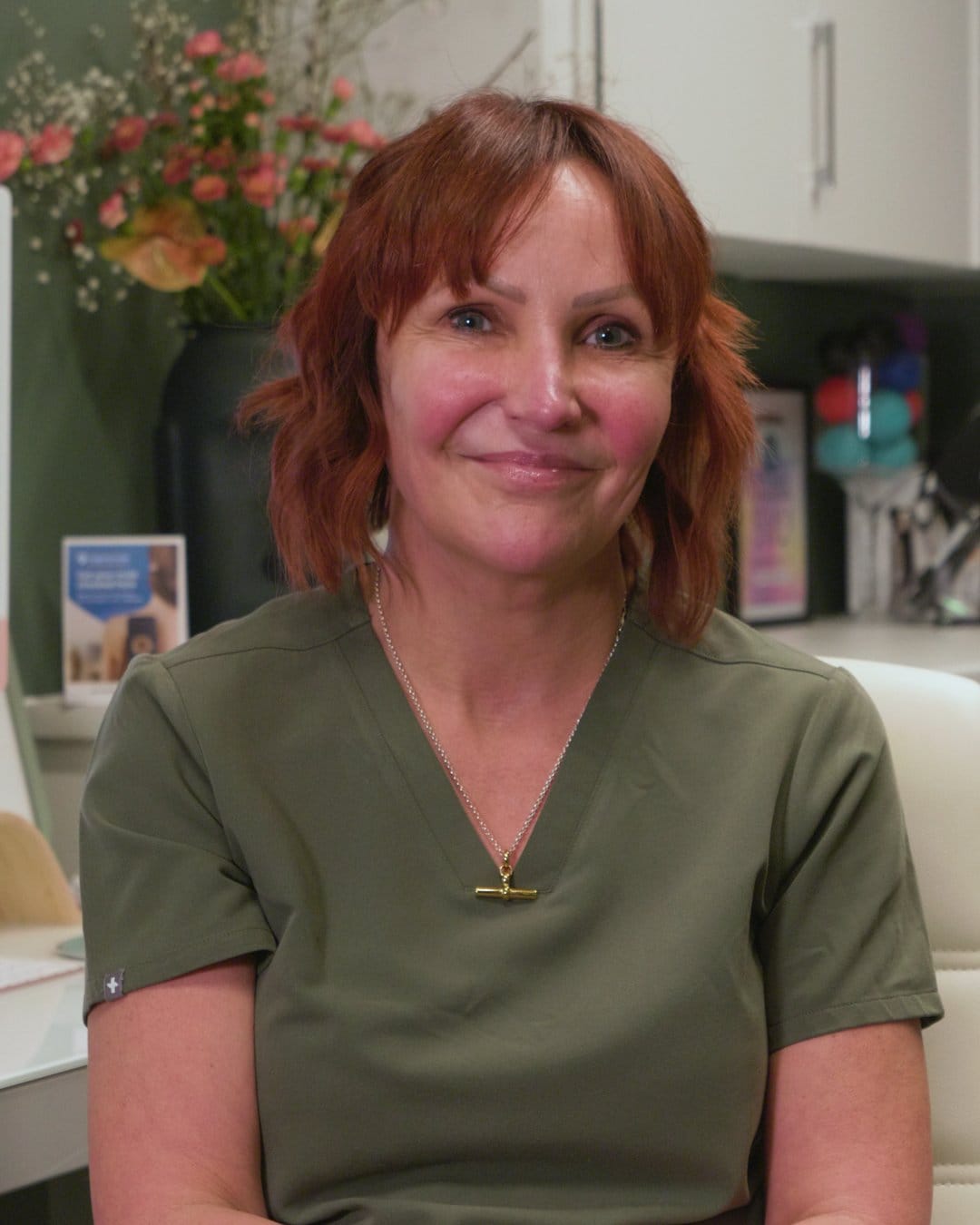
Written and reviewed by Dawn Richardson RGN, V300, Independent Nurse Prescriber and founder of Dawn Clinic, Penarth.
Dawn Richardson is a Registered General Nurse and Independent Nurse Prescriber with over 35 years of nursing experience, including NHS hospital and community care. For the past 18 years she has specialised in aesthetic medicine and advanced skin treatments, and is one of the most experienced independent nurse prescribers in South Wales.